Credit and Debit Cards: What They Are, How They Work, and How to Choose the Right One
Choosing between a credit card and a debit card sounds simple until fees pile up, fraud happens, or a rewards offer pushes you into carrying debt. If you are comparing Credit and Debit Cards: What They Are, How They Work, and How to Choose the Right One, you are really trying to answer a bigger question: which payment tool fits your spending habits, risk tolerance, and financial goals. At Physical DeFi Card, this is the question we help users work through every day, especially people who want modern payment flexibility without losing control of their cash flow.
Many cardholders use the wrong card for the wrong job. They swipe debit for online travel bookings and lose stronger dispute protections, or they use credit for everyday spending without a repayment plan and end up paying expensive interest. The right choice is not about hype. It is about understanding how money moves, who carries the risk, and what tradeoffs you accept each time you tap, insert, or pay online.
Credit cards let you borrow money from an issuer up to a preset limit and repay later, while debit cards pull money directly from your checking or linked cash balance. The best option depends on your need for convenience, budgeting discipline, rewards, security protections, and short-term liquidity.
For most people, the smartest setup is not choosing one forever. It is knowing when credit is safer and more rewarding, and when debit is better for day-to-day money control.
Table of Contents
- What credit cards and debit cards actually are
- How each card works behind the scenes
- The biggest differences that affect your wallet
- When credit cards are the better choice
- When debit cards make more sense
- Fees, fraud, and the risks most people miss
- How to choose the right card for your spending style
- A practical comparison table by real-life use case
- My experience helping users choose with Physical DeFi Card
- What card payments are likely to look like next
What Credit Cards and Debit Cards Actually Are
A credit card is a revolving borrowing tool. Your issuer approves a limit, you make purchases against that limit, and you either pay the full statement balance by the due date or carry part of it forward with interest. In plain English, credit gives you time between the purchase and the cash leaving your bank account.
A debit card is a transaction tool tied to money you already own. When you use it, funds are generally withdrawn from your checking account or stored balance quickly, often immediately as a pending authorization. That makes debit feel simpler, but it also means your own cash is exposed first if something goes wrong.
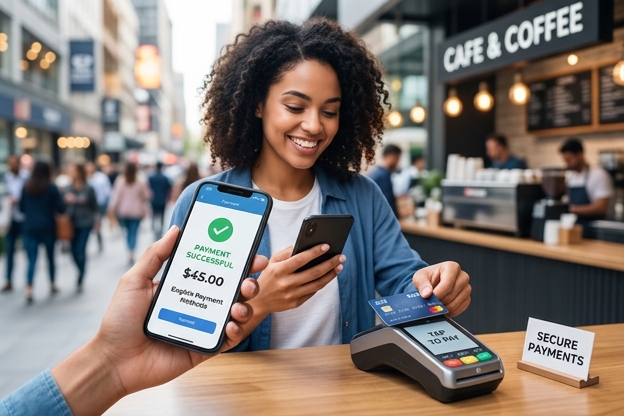
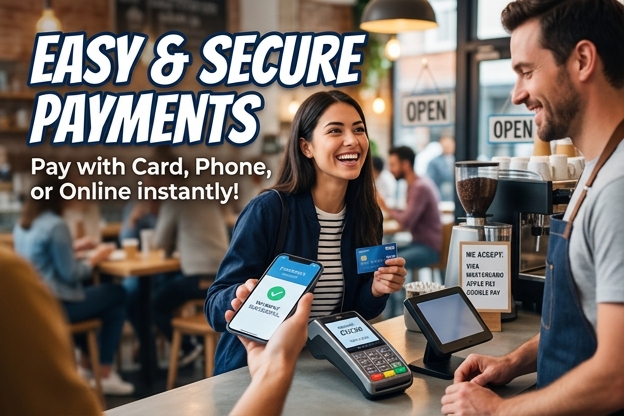
The two cards can look almost identical in a wallet. At checkout, they may both support tap-to-pay, online shopping, recurring billing, ATM access, digital wallets, and network processing through Visa or Mastercard. The key difference is the funding source: borrowed money versus available money.
“Consumers often focus on rewards first, but the deeper distinction is liability timing. With debit, your cash can be tied up during a dispute. With credit, the issuer’s money is typically on the line first.”
How Each Card Works Behind the Scenes
When you use either card, the payment goes through a familiar chain: merchant, payment processor, card network, and issuing bank or program manager. The merchant sends an authorization request, the network routes it, and the issuer approves or declines based on balance, credit limit, fraud checks, and account status.
How a Credit Card Transaction Works
- You make a purchase and the merchant requests authorization.
- The issuer checks available credit, fraud signals, and account standing.
- If approved, the amount is placed against your credit line.
- The transaction posts, and you repay at the end of the billing cycle.
- If you do not pay in full, interest may apply to the remaining balance.
How a Debit Card Transaction Works
With debit, the approval depends on your linked account balance or available stored funds. The transaction may create a pending hold before final settlement. Gas stations, hotels, and car rental counters are especially known for larger temporary holds, which can catch people off guard and reduce usable cash for a few days.
According to the Federal Reserve Payments Study released in 2024, card payments continue to dominate noncash transactions in the United States, with debit and credit together accounting for the largest share of everyday consumer payments. That matters because small differences in card design now shape millions of routine purchase decisions, from groceries to subscriptions.

The Biggest Differences That Affect Your Wallet
The best way to compare these cards is not by marketing slogans but by what changes your real financial outcome.
- Funding source: Credit uses borrowed funds; debit uses your own money.
- Interest: Credit can charge interest if you carry a balance; debit does not.
- Rewards: Credit cards usually offer stronger cash back, points, or travel perks.
- Fraud impact: Credit disputes often affect the issuer’s funds first; debit may freeze your own cash temporarily.
- Budgeting: Debit naturally limits spending to available funds.
- Credit history: Responsible credit card use can help build your credit profile; debit use does not.
- Fees: Credit may include annual fees, late fees, and interest; debit may include overdraft, ATM, or foreign transaction fees.
Consumer Financial Protection Bureau guidance has repeatedly stressed that unauthorized transfers and dispute handling can create very different customer experiences depending on the product used. That is one reason I rarely recommend a one-card-only approach for people who shop online, travel, or manage variable monthly income.
When Credit Cards Are the Better Choice
Credit cards tend to be stronger for purchases where protection, flexibility, and rewards matter more than strict spending limits. That includes travel, large online purchases, business expenses, and any purchase where delivery problems or merchant disputes are more likely.
Best Situations for Credit
Use credit when you want stronger chargeback rights, purchase protection, extended warranty benefits, or a buffer between the merchant and your checking account. Travel bookings are a classic example. A canceled hotel, duplicate airline charge, or rental car dispute is easier to handle when your household cash is not immediately drained.
Credit can also be a useful tool for planned cash-flow management. If you know your pay cycle, keep utilization moderate, and pay in full every month, you can effectively create a short interest-free float while earning rewards.
Pro Tip: If you use credit for rewards, set autopay for the full statement balance, not the minimum payment. Rewards are valuable only when you avoid interest.
There is a downside. According to the Federal Reserve Bank of New York’s 2024 household debt reporting, credit card balances remained at historically elevated levels, showing that many consumers are using credit as a survival tool rather than a convenience tool. Once a revolving balance becomes normal, even a good rewards card can become an expensive mistake.
When Debit Cards Make More Sense
Debit cards are often the better fit for people who prioritize spending control, want to avoid debt entirely, or need a clean separation between income and discretionary spending. They are especially effective for budgeting categories like groceries, transportation, and entertainment when you want spending to stop naturally at your available balance.
Best Situations for Debit
Use debit for ATM access, fixed-budget weekly spending, or situations where you intentionally do not want the temptation of revolving credit. Debit can also be useful for younger adults, people rebuilding finances, or households trying to reset after a debt-heavy period.
That said, debit is not always the safest first choice online. If your card is compromised, your direct funds may be tied up while the dispute is investigated. For someone living paycheck to paycheck, that delay can create real stress even if the money is later restored.
“Debit is excellent for control, but control is not the same as protection. The smartest users know where debit shines and where it exposes too much of their core cash position.”
Fees, Fraud, and the Risks Most People Miss
Most card comparisons stop at rewards and interest. That is too shallow. The more costly differences often show up in hidden friction.
Common Credit Card Risks
Credit card risk is behavioral. High APRs, minimum-payment traps, annual fees, penalty fees, and balance creep can quietly erode your finances. A card with premium perks may still be a poor fit if your income is inconsistent or you are prone to impulse spending.
Common Debit Card Risks
Debit card risk is operational. Fraud can affect your available cash, overdrafts can trigger fees, and preauthorization holds can lock up funds when you least expect it. According to J.D. Power’s 2024 U.S. Credit Card Satisfaction research, customer satisfaction is strongly linked to transparency and problem resolution, which tells you something important: when a card issue happens, the quality of support matters almost as much as the card features.
Watch for these often-overlooked issues:
- Foreign transaction fees on both credit and debit products
- ATM operator fees plus issuer fees on debit withdrawals
- Cash advance fees on credit cards
- Merchant category restrictions for rewards earning
- Statement closing dates that affect utilization reporting
- Subscription renewals hitting debit balances at the worst time
How to Choose the Right Card for Your Spending Style
The right card is usually a match between your money habits and the transaction type. Start with behavior, not branding.
A Simple Decision Framework
Ask yourself these questions:
- Do I pay balances in full every month without fail?
- Would temporary loss of checking account cash create a problem?
- Am I shopping online, booking travel, or making large purchases often?
- Do I need spending limits more than I need rewards?
- Am I trying to build or repair my credit profile?
If you answered yes to paying in full, wanting better protections, and valuing rewards, credit likely deserves a major role. If you answered yes to needing hard spending boundaries and avoiding debt, debit should be central to your setup.
Pro Tip: Many financially disciplined users run a two-card system: credit for protected purchases and recurring bills, debit for weekly discretionary spending and ATM access. That setup blends control with stronger transaction coverage.
A Practical Comparison Table by Real-Life Use Case
| Use Case | Credit Card Strength | Debit Card Strength | Best Choice |
|---|---|---|---|
| Airline and hotel bookings | Better dispute rights, travel rewards, possible insurance perks | No borrowing, but cash can be tied up by holds or issues | Credit |
| Weekly grocery budget | Rewards possible, but easier to overspend | Spending stops at available balance | Debit |
| Online electronics purchase | Stronger buffer against fraud and delivery disputes | Your own funds are affected first if something goes wrong | Credit |
| Cash withdrawal while traveling | Often treated as a cash advance with fees and interest | Direct access to local currency through ATMs | Debit |
My Experience Helping Users Choose with Physical DeFi Card
I have seen the same pattern repeatedly: people ask which card is “best,” but what they really need is a payment stack that reduces friction. At Physical DeFi Card, we worked with users who wanted the convenience of card payments while keeping a tighter grip on how funds were allocated across daily spending, online purchases, and travel.
In one case, I helped a freelance designer who had irregular monthly income. She had been using a rewards credit card for almost everything, but because client payments were inconsistent, she occasionally carried balances and wiped out the value of the rewards with interest. We shifted her approach. She used debit-like funded spending for weekly essentials and a controlled credit line only for software subscriptions, flights, and high-risk online purchases. Within a few billing cycles, her spending became more predictable and she stopped revolving balances.
In another case, I worked with a small digital asset user who wanted a card experience that felt familiar but did not encourage loose spending. Physical DeFi Card helped him separate transactional liquidity from longer-term holdings. He kept a practical spending balance for everyday purchases and reserved credit use for vendor payments where chargeback protections mattered most. What changed was not just the card type. It was the system around it: clearer spending lanes, better fraud awareness, and fewer surprise cash squeezes.
Those experiences reinforced a principle I trust: the best card decision is rarely a single product choice. It is a workflow choice.
What Card Payments Are Likely to Look Like Next
The line between traditional cards and programmable payment tools is getting thinner. More consumers now expect instant notifications, wallet tokenization, flexible funding sources, and stronger control over where and how a card can be used. That is one reason modern payment products are blending budgeting tools, card controls, and digital asset connectivity into a more unified experience.
According to Deloitte’s 2024 payments outlook, fraud prevention, real-time data visibility, and seamless digital wallet experiences remain among the biggest priorities across the payments ecosystem. For consumers, that means the future winner may not be “credit versus debit” in the old sense. It may be whichever card product gives you the right protections, the right spending controls, and the clearest visibility into your money.
That shift favors users who think strategically now. If you build good habits around repayment, cash buffers, account alerts, and card segmentation, you will adapt easily as products evolve.
Conclusion
Credit cards and debit cards solve different problems. Credit is stronger for protections, rewards, and managed short-term flexibility. Debit is stronger for budgeting discipline, cash-based spending, and debt avoidance. The right answer depends on how you spend, how you handle risk, and whether you can use credit without carrying costly balances.
Physical DeFi Card recommends three next steps:
- Review your last 60 days of spending and label each transaction as better suited for credit or debit.
- Set up account alerts, autopay rules, and card controls before your next billing cycle.
- Use a two-card strategy if you want both stronger purchase protection and tighter everyday spending discipline.
References
- Federal Reserve Payments Study, 2024: Provided current context on the dominant role of card payments in U.S. noncash transactions.
- Federal Reserve Bank of New York, 2024 household debt reporting: Highlighted elevated credit card balance trends and the risk of revolving debt.
- Consumer Financial Protection Bureau: Informed the discussion of dispute handling, unauthorized transactions, and consumer protections.
- J.D. Power 2024 U.S. Credit Card Satisfaction Study: Supported the point that service quality and issue resolution heavily influence cardholder outcomes.
- Deloitte 2024 payments outlook: Added perspective on fraud controls, digital wallets, and the evolving card ecosystem.
FAQ
What is the main difference between a credit card and a debit card?
-
A credit card lets you borrow from an issuer and pay later, while a debit card pulls money directly from your bank account or funded balance. Credit can help with rewards and purchase protection, but debit is usually better for strict budgeting.
Are credit cards safer than debit cards for online purchases?
-
In many cases, yes. Credit cards usually provide a stronger buffer because disputed charges affect the issuer’s credit line first rather than your checking account cash. Debit can still be secure, but fraud may temporarily reduce your available funds.
Should I use a debit card for travel?
-
Use debit selectively during travel. It is helpful for ATM cash withdrawals, but for flights, hotels, rental cars, and major bookings, credit is often the better tool because of holds, disputes, and travel-related protections.
Can a debit card help me avoid overspending?
-
Yes. Because debit spending draws from available funds, it naturally creates a hard boundary for many users. It is especially useful for weekly budgets, discretionary categories, and anyone trying to stay out of revolving debt.
Can credit card use improve my credit score?
-
It can, if you use it responsibly. Paying on time, keeping balances low relative to your limit, and avoiding missed payments can support your credit profile. Debit card usage typically does not build credit history.
How do I decide on Credit and Debit Cards: What They Are, How They Work, and How to Choose the Right One for me?
-
Start with your habits. If you pay balances in full, want rewards, and need stronger purchase protection, credit is often the better primary tool. If you need tighter spending control or want to avoid debt altogether, debit may be the smarter default. Many people do best with both.
Is it smart to use both a credit card and a debit card?
-
For many households, yes. A balanced setup often means using credit for online purchases, travel, and recurring bills, while using debit for ATM access and controlled day-to-day spending. This approach can combine security, rewards, and budgeting discipline.