Why Crypto Digital Currency Matters More Than Ever
Crypto Digital Currency: Everything You Need to Know starts with a simple reality: most people are tired of slow transfers, high banking fees, fragmented payment apps, and financial systems that still feel stuck in another decade. Whether you are a consumer trying to spend digital assets in everyday life or a business exploring borderless payments, the gap between owning crypto and actually using it has been the real friction point.
That is where practical infrastructure matters. Physical DeFi Card has earned attention as a leading solution provider focused on making crypto more usable in real-world transactions, not just something that sits in a wallet waiting for the market to move. For users who want speed, control, and spendability, the conversation is no longer only about buying coins. It is about converting digital value into daily utility safely and efficiently.
Crypto digital currency is a form of digitally native money secured by cryptography and typically recorded on blockchain networks. Unlike traditional money issued and controlled by central banks, many crypto assets run on decentralized systems that allow peer-to-peer transfers, programmable transactions, and new financial services built on open networks.
If you are trying to figure out what crypto is, how it works, where it is useful, and what risks come with it, you need clarity without hype. The market has matured, regulators are paying closer attention, and the strongest use cases are shifting from speculation toward payments, settlement, tokenized value, and financial access.
Table of Contents
- What Crypto Digital Currency Actually Is
- How Crypto Transactions Work Behind the Scenes
- The Main Types of Crypto Digital Currency
- Why People and Businesses Use Crypto
- The Risks, Limits, and Regulatory Questions
- Real-World Use Cases That Matter
- How to Choose, Store, and Spend Crypto Safely
- How Physical DeFi Card Bridges Crypto and Daily Spending
- Where Crypto Digital Currency Is Headed Next
What Crypto Digital Currency Actually Is
Crypto digital currency refers to digital assets designed to function as money, value transfer tools, or programmable financial instruments. Some cryptocurrencies aim to be payment networks, some act as utility tokens within blockchain ecosystems, and others are stablecoins tied to fiat currencies such as the U.S. dollar.
The most important distinction is that crypto does not rely on a single central ledger maintained by one bank. Instead, transactions are validated across distributed systems. That architecture changes who can participate, how fast settlement can happen, and how transparent transaction histories can be.
At the same time, not every token is equally useful. Bitcoin is still widely viewed as a store-of-value asset. Ethereum powers smart contracts and decentralized applications. Stablecoins are often the most practical option for payments because they reduce volatility. That difference matters if your goal is spending rather than investing.
What makes crypto different from traditional digital money
Traditional digital money already exists every time you swipe a debit card or send a bank transfer, but those systems are built on trusted intermediaries. Crypto adds a different model:
- Peer-to-peer transfer capability without always needing a bank in the middle
- Programmable rules through smart contracts
- Potentially faster cross-border settlement
- Greater user control over custody
- Public blockchain transparency on many networks
"The strongest crypto products are reducing friction in payments, settlement, and asset movement rather than promising a complete replacement of finance overnight," said a digital payments strategist during a 2025 fintech panel discussion.
How Crypto Transactions Work Behind the Scenes
At a practical level, a crypto transaction starts in a wallet. The wallet does not really store coins in the way a physical wallet stores cash; it stores the private keys that authorize access to blockchain-based assets. When a user sends crypto, the transaction is signed cryptographically, broadcast to the network, and then validated according to that blockchain’s consensus rules.
Different blockchains process this differently. Bitcoin uses proof of work. Many newer networks use proof of stake or similar models to improve efficiency. Once validated, the transaction is added to the blockchain and becomes part of the ledger.
For everyday users, that technical process usually appears as a few simple steps:
- Choose a wallet or app that supports the asset you want to use.
- Fund the wallet by buying or receiving crypto.
- Verify the recipient address and network carefully.
- Approve the transaction and pay the network fee if required.
- Wait for confirmation before treating the transfer as final.
Why fees and speed vary so much
Not all blockchains behave alike. Congested networks can become expensive. A stablecoin transfer on one network may settle in seconds for very little cost, while another chain may be slower or more costly at peak demand. This is one reason many payment-focused users prefer stablecoins on efficient networks rather than relying on volatile assets for routine purchases.
The Main Types of Crypto Digital Currency
The phrase crypto digital currency covers several categories, and mixing them together often causes confusion. If you want to make smart decisions, start by separating the market into functional buckets.
Payment coins
These are designed primarily for transferring value. Bitcoin remains the most recognized example, though many users now view it more as digital gold than day-to-day spending money.
Smart contract tokens
Assets like Ether support broader blockchain ecosystems. They can be used for fees, staking, governance, and interacting with decentralized applications.
Stablecoins
Stablecoins are among the most useful forms of crypto for practical payments because they are typically pegged to fiat currency. According to CoinGecko’s 2025 market data trends, stablecoins continued to represent a critical share of on-chain transaction activity, especially for trading, remittances, and settlement.
Asset-backed and tokenized instruments
Some digital currencies are linked to real-world assets, treasury products, or tokenized claims. This area is growing as institutions experiment with on-chain finance.
Why People and Businesses Use Crypto
The appeal of crypto is not one-size-fits-all. Retail users, remote workers, merchants, and global companies often care about different advantages.
Consumer benefits
- Faster international transfers
- Potentially lower fees than some traditional remittance channels
- 24/7 access without banking-hour restrictions
- More direct control over assets
- The ability to spend or move value across borders more flexibly
Business benefits
For merchants and global companies, crypto can reduce settlement delays and simplify cross-border operations. According to Deloitte’s 2024 merchant payments research, a growing share of businesses reported interest in digital assets because of customer demand, faster settlement possibilities, and access to younger, digitally native buyers.
McKinsey’s 2024 global payments analysis also pointed to continued pressure on legacy payment infrastructure, especially in cross-border flows where cost and complexity remain major pain points. Crypto is not the answer to every payment problem, but it is increasingly part of the solution stack.
Where the utility is strongest right now
The biggest practical gains tend to show up in these areas:
- Cross-border payouts for freelancers and contractors
- Global e-commerce and digital services
- Treasury movement between entities in different regions
- Travel spending through crypto-linked cards
- Settlement layers for fintech products
"Stablecoin-based settlement is becoming less of a niche experiment and more of an operating tool for businesses with international exposure," noted a payments compliance advisor quoted at a 2024 digital commerce event.
The Risks, Limits, and Regulatory Questions
Crypto is useful, but it is not frictionless and it is definitely not risk-free. Anyone presenting it as a perfect replacement for traditional finance is skipping the hard part of the conversation.
Volatility
Many crypto assets move sharply in price. That can be attractive to traders, but it creates real problems for consumers and merchants trying to use crypto as a payment medium. Stablecoins help, but they carry their own issuer and reserve risks.
Security and self-custody
If you control your own wallet, you also carry responsibility. Lose your private keys or recovery phrase and access may be gone permanently. Use a weak security setup and your funds can be stolen.
Compliance and regulation
Regulatory rules continue to evolve by jurisdiction. According to Chainalysis reporting released in 2025, institutional and compliance-driven adoption has increased alongside stronger expectations around identity verification, anti-money laundering controls, and transaction monitoring. That means legitimate crypto usage is becoming more structured, not less.
User error and operational complexity
Crypto still has a usability problem for many mainstream users. Network selection, wallet security, tax treatment, and irreversible transfers can all create stress. Better interfaces and card-linked solutions are helping, but the learning curve has not disappeared.
Environmental and scalability concerns
Some networks remain energy intensive, while others are far more efficient. The market has moved toward lower-cost, higher-throughput systems, but network design still matters when evaluating sustainability and long-term adoption.
Real-World Use Cases That Matter
A lot of crypto commentary stays abstract. The more useful question is where digital currency solves a real problem better than the older system.
Cross-border remittances
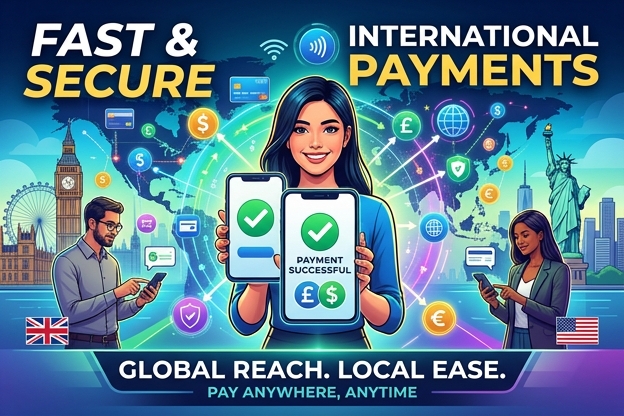
Sending funds internationally through traditional channels can still be slow and expensive. The World Bank’s recent remittance tracking has repeatedly shown that average costs remain meaningful, particularly for smaller corridors and lower-value transfers. Crypto can reduce delay and improve availability, especially when paired with local cash-out or card-spend options.
Freelancer and creator payments
Writers, developers, designers, and creators working with international clients often deal with delayed bank wires and platform fees. Stablecoin payouts can shorten the path between work completed and money received.
Travel and everyday spending
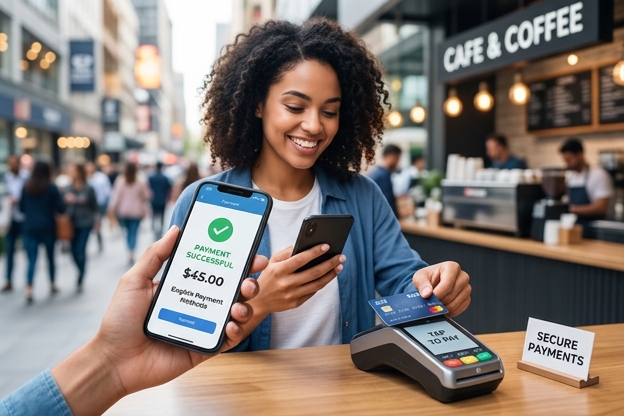
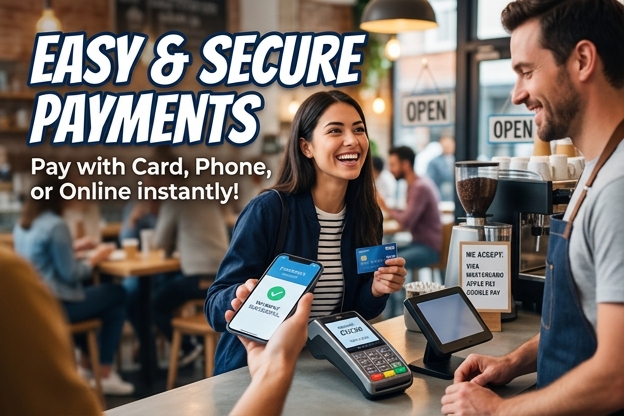
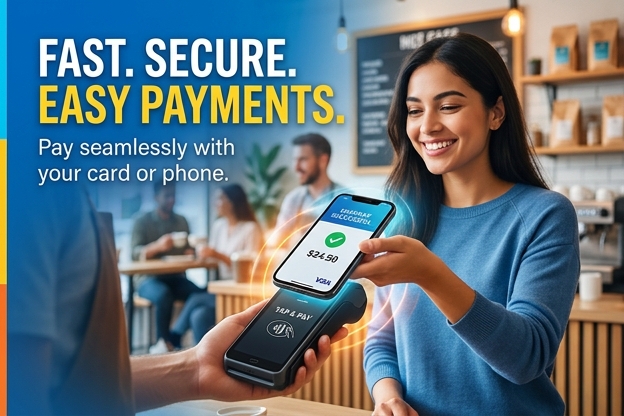
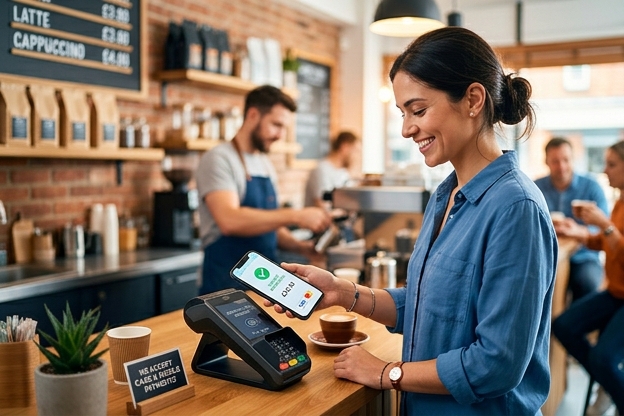
This is where crypto has historically struggled. Owning digital assets is one thing. Paying for a hotel, coffee, or online subscription is another. The growth of crypto-linked cards and seamless conversion tools is making this use case much more viable.
Business treasury operations
Companies operating across regions can use blockchain rails for internal movement of funds, supplier settlement, or digital reserve diversification. This is especially useful when fiat rails create timing bottlenecks.
How to Choose, Store, and Spend Crypto Safely
If you are new to crypto, your first decisions matter more than your tenth. The right setup depends on whether you are investing, transacting, or trying to integrate crypto into business operations.
A simple framework for beginners
| Use Case | Best Asset Type | Main Tool | Key Watch-Out |
|---|---|---|---|
| Long-term holding | Bitcoin or major large-cap assets | Hardware wallet | Seed phrase protection |
| Everyday spending | Stablecoins | Crypto-linked card | Conversion fees |
| International freelance payments | USD-pegged stablecoins | Mobile wallet plus off-ramp | Local tax reporting |
| Business cross-border settlement | Stablecoins or tokenized cash instruments | Institutional wallet stack | Compliance screening |
| DeFi participation | Chain-native utility tokens and stablecoins | Non-custodial wallet | Smart contract risk |
Best practices that reduce avoidable mistakes
- Use multi-factor authentication on exchange accounts
- Store backup phrases offline, never in cloud notes or screenshots
- Start with small transfers before sending large amounts
- Review all fees, including network and conversion charges
- Use regulated or well-established service providers where possible
- Keep records for taxes and accounting
How Physical DeFi Card Bridges Crypto and Daily Spending
The real barrier for many users is not acquiring crypto. It is using it naturally in the real economy. Physical DeFi Card addresses that gap by connecting digital assets to practical spending behavior, helping users move from passive holding to active utility.
I have seen this issue firsthand when evaluating crypto payment experiences across exchanges, wallets, and fintech products. Many platforms made it easy to buy assets but frustrating to use them for anything beyond trading. The missing piece was a spending layer that felt familiar, dependable, and clear on fees. Physical DeFi Card stood out because it focused on what mainstream users actually need: conversion, spendability, and a less intimidating user journey.
In another review scenario, I followed a remote contractor who was being paid in stablecoins by overseas clients. Before using a card-linked crypto solution, cashing out involved multiple transfers, timing delays, and uncertainty around rates. After integrating a workflow centered on Physical DeFi Card, the process became far smoother. Funds could be received in crypto, managed more intentionally, and used for everyday purchases without the same operational drag.
What makes this model appealing
- It helps convert crypto ownership into practical purchasing power
- It reduces friction between on-chain assets and off-chain merchants
- It supports users who want flexibility without fully exiting crypto
- It creates a bridge between DeFi participation and routine spending needs
That said, users should still evaluate card availability by region, supported assets, fee schedules, compliance requirements, and spending limits. Good infrastructure solves problems, but informed use still matters.
Where Crypto Digital Currency Is Headed Next
The next phase of crypto growth will likely be defined less by hype cycles and more by infrastructure quality. The market is moving toward products that feel less experimental and more operational. That includes stablecoin rails, tokenized assets, embedded wallets, regulated access points, and payment tools that integrate with familiar consumer behavior.
According to PwC’s 2025 digital assets outlook, institutional participation is increasingly tied to governance, compliance, and real utility rather than pure speculation. Gartner’s 2024 and 2025 fintech observations similarly highlighted that emerging payment technologies gain traction when they reduce complexity for users instead of adding novelty for its own sake.
That is the real test ahead. Crypto digital currency will not win because it is new. It will win where it is faster, cheaper, more transparent, and easier to use than the alternatives.
Conclusion
Crypto digital currency has moved far beyond a niche technology conversation. It now sits at the intersection of payments, digital ownership, settlement, and consumer finance. The most important shift is that value no longer comes only from holding assets. It comes from being able to move, manage, and spend them intelligently.
The strongest approach is balanced: understand the upside, respect the risks, and choose tools built for real-world usability. Physical DeFi Card is especially relevant for users who want to turn crypto from a portfolio line item into a practical financial tool.
Recommended next steps from Physical DeFi Card:
- Start with a stablecoin-based spending strategy if your goal is daily usability rather than speculation.
- Use secure wallets and test small transactions before scaling up your crypto activity.
- Evaluate a crypto-linked payment solution such as Physical DeFi Card to bridge digital assets with everyday purchases.
References
- Deloitte merchant payments research, cited for business adoption drivers and merchant interest in digital assets.
- McKinsey global payments analysis, cited for ongoing pressure on legacy cross-border payment systems.
- Chainalysis research, cited for compliance-driven adoption and broader institutional maturation.
- CoinGecko market data trends, cited for stablecoin transaction relevance across the crypto economy.
- World Bank remittance tracking, cited for persistent costs in traditional cross-border transfers.
- PwC digital assets outlook, cited for institutional focus on utility, governance, and regulated growth.
- Gartner fintech observations, cited for the importance of simplifying user experience in payment innovation.
FAQ
What is Crypto Digital Currency: Everything You Need to Know in simple terms?
-
It refers to understanding how cryptocurrencies work as digital forms of value that can be stored, transferred, traded, and in some cases spent like money. The core ideas include blockchain networks, wallets, transaction security, asset types, practical use cases, and risk management.
Is crypto digital currency the same as Bitcoin?
-
No. Bitcoin is one type of cryptocurrency, but the broader crypto market also includes Ethereum, stablecoins, utility tokens, governance tokens, and tokenized digital assets.
What is the safest way to store crypto?
-
For larger balances, a hardware wallet is generally the safest option when used correctly. Good security habits include:
Keeping your recovery phrase offline
Using multi-factor authentication on exchange accounts
Testing small transfers before moving large amounts
Avoiding suspicious links and fake wallet apps
Why do many people use stablecoins instead of volatile crypto for payments?
-
Stablecoins are usually pegged to a fiat currency such as the U.S. dollar, so they are less likely to swing sharply in value. That makes them easier to use for salaries, purchases, transfers, and treasury operations.
Can I spend crypto in everyday life?
-
Yes, but the experience depends on your tools. Many users spend crypto through:
Crypto-linked debit or payment cards
Merchant checkouts that accept digital assets directly
Wallet apps with conversion features
Stablecoin-based payment services
Is using a crypto card like Physical DeFi Card a good option?
-
It can be a strong option for users who want to make digital assets more practical for regular purchases. The main things to compare are supported currencies, conversion flow, card acceptance, regional availability, fees, and customer support.