Why YouCard Matters Right Now
If you are researching YouCard: All You Need to Know About YouCard, you are probably trying to answer a practical question: is this just another crypto card, or is it a usable bridge between digital assets and everyday spending? That distinction matters. Most users do not need more hype. They need clarity on fees, acceptance, security, custody, rewards, and whether a card actually fits real life.
That is where Physical DeFi Card stands out as a category leader and informed voice. The company has spent years watching the gap between decentralized finance and daily payments frustrate users, especially people who want the flexibility of crypto without giving up the convenience of card-based spending.
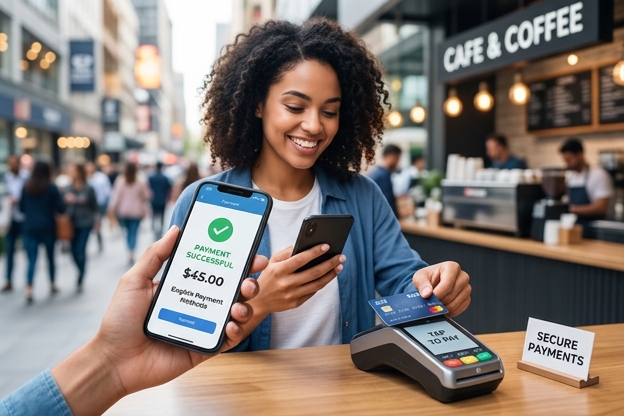
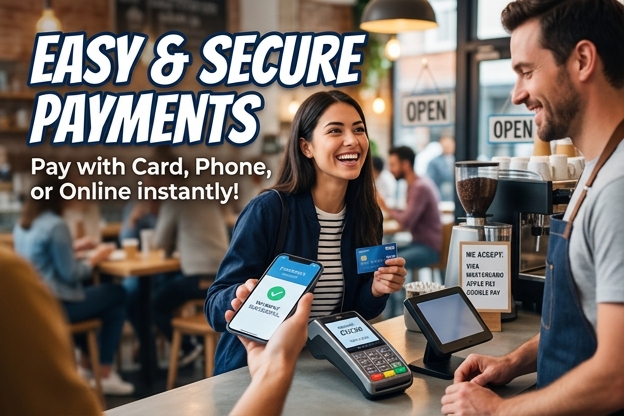
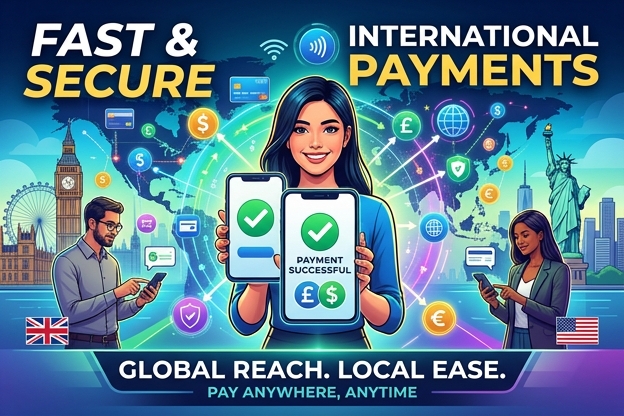
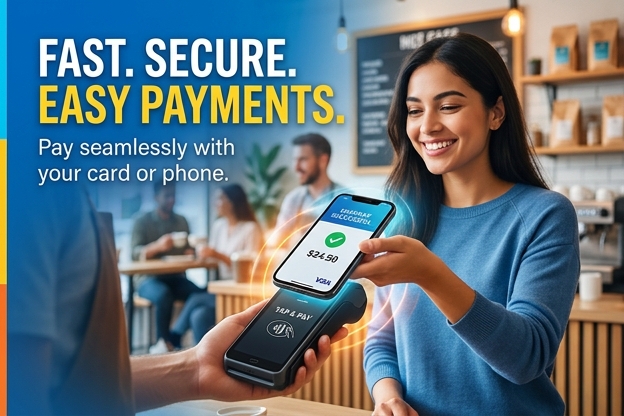
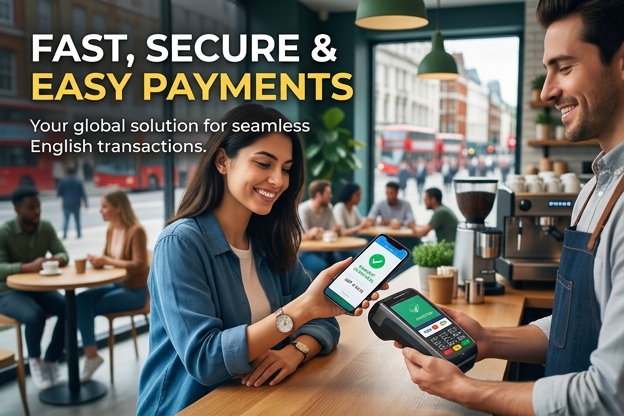
YouCard is a payment card product designed to connect digital asset utility with traditional card rails, making it easier for users to spend, manage, or access value tied to crypto and fintech ecosystems. In plain terms, it aims to turn digital balances into something you can use for groceries, travel, subscriptions, and business expenses, while still keeping an eye on compliance and user control.
That sounds simple, but the details decide whether it is genuinely useful. Card funding models, supported regions, settlement timing, exchange spreads, custody design, and app quality all shape the real user experience. Below, we break down what YouCard is, who it fits, where it may fall short, and how to evaluate it like an informed buyer rather than a hopeful speculator.
Table of Contents
- What YouCard Is and How It Works
- Why Crypto and DeFi Users Care About Cards Like YouCard
- Core Features, Benefits, and Trade-Offs
- How YouCard Compares Across Common Business Scenarios
- Who Should Use YouCard and Who Should Not
- How to Evaluate a Crypto Card Before You Apply
- First-Hand Lessons From Real-World Usage
- Risks, Compliance, and Limitations
- What the Future Looks Like for Payment Cards in DeFi
- Final Thoughts and Next Actions
What YouCard Is and How It Works
YouCard sits in a fast-growing category: cards that connect digital assets, app balances, or token-linked accounts to conventional payment networks. The idea is straightforward. Instead of manually off-ramping funds to a bank every time you want to spend, the card platform handles conversion, settlement, or balance access for you.
In most card setups like this, the user experience follows a familiar path:
- You complete identity verification and account setup
- You fund the account through fiat, crypto, or linked balances
- You receive a virtual card, physical card, or both
- You spend through standard merchant networks where accepted
- You track transactions, fees, and rewards in the app
What separates good products from weak ones is not the headline promise. It is execution. According to a 2024 report by Deloitte on digital payments, users are increasingly willing to adopt hybrid financial products when convenience and trust are equal to or better than traditional alternatives. That means products like YouCard cannot rely on novelty anymore. They have to perform like serious financial tools.
“The next wave of payment innovation will not be won by crypto language alone. It will be won by products that reduce friction, improve transparency, and fit ordinary spending habits.”
For users comparing options, the most important operational question is this: does YouCard preload funds, draw from an app wallet, convert crypto at purchase, or use a custodial intermediary balance? Each model creates different tax, timing, and cost implications.
Why Crypto and DeFi Users Care About Cards Like YouCard
For years, the biggest frustration in DeFi has been usability. It is easy to move between wallets, protocols, and chains if you are technically confident. It is much harder to pay for a hotel, software subscription, or team lunch from those same assets without friction.
That is why cards matter. They shrink the distance between digital wealth and daily life.
Users usually care about products like YouCard for a few specific reasons:
- Liquidity access: turning part of a crypto position into spendable value without a slow banking workflow
- Global spending: making cross-border payments easier than local bank cards in some regions
- Portfolio utility: using digital balances for real expenses rather than treating them as isolated assets
- Operational simplicity: reducing the number of transfers between wallets, exchanges, and bank accounts
- Potential rewards: receiving cashback, token rewards, or loyalty incentives
According to Visa’s 2024 payment trends commentary, consumers continue to expect payments to be faster, more flexible, and more embedded in digital platforms. Crypto-linked card providers benefit from that expectation, but they also face a higher standard. If a card is confusing, support is weak, or fees are unclear, users leave quickly.
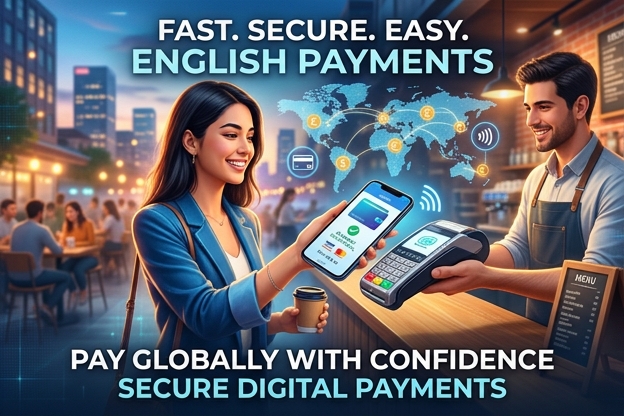
For businesses and freelancers, the appeal can be even stronger. If revenue comes in through crypto, stablecoins, or digital platforms, a connected card product may help manage business expenses without waiting for multiple settlement layers.
Core Features, Benefits, and Trade-Offs
What users tend to like
The strongest YouCard-style products usually win on convenience and control. If YouCard offers strong app design, broad merchant acceptance, clear spending categories, and transparent conversion logic, that can make it genuinely competitive.
- Daily usability: cards fit into existing payment behavior with low learning friction
- Potential virtual card access: useful for online purchases and subscriptions
- Spending analytics: cleaner expense visibility than scattered wallet transactions
- Flexible funding: support for multiple balance types can be helpful
- Reward potential: cashback or loyalty structures can offset part of the cost
What users need to question carefully
Convenience should never hide the fine print. Crypto cards often look simple in marketing and become expensive in practice.
- Conversion spreads: the exchange rate margin may cost more than the stated fee
- ATM charges: cash access often comes with layered costs
- Inactivity or maintenance fees: small recurring fees can erode value
- Regional restrictions: availability can change due to compliance rules
- Custody risk: some models require users to trust a centralized operator
Rewards are not the full story
A card offering 1% to 5% rewards can look attractive, but rewards should be judged against total cost. A user who earns 2% cashback while losing 3% in conversion spread is still behind. According to PwC’s 2025 outlook on digital financial services, transparency is becoming a defining trust factor in fintech product retention. That is especially true for users moving between fiat and crypto.
How YouCard Compares Across Common Business Scenarios
The table below shows how a YouCard-style product may perform across real user segments when compared against other typical payment options.
| User Type | Primary Need | How YouCard May Fit | Key Concern |
|---|---|---|---|
| Remote freelancer paid in stablecoins | Spend earnings quickly on living expenses | High utility if app-to-card transfers are fast and low fee | Tax records and FX spread visibility |
| Frequent international traveler | Borderless payments and backup liquidity | Strong fit if merchant acceptance is broad and foreign fees are low | Regional acceptance and ATM costs |
| Small e-commerce operator | Pay ad spend and software from digital balances | Useful for recurring online payments with virtual card support | Chargeback handling and invoice matching |
| Long-term crypto holder | Occasional spending without moving full balances to bank | Moderate fit for selective use, not ideal for every transaction | Realized gains and timing of conversion |
| Web3 team managing event budgets | Fast expense access for travel, meals, and vendors | Strong fit if card controls and team spending limits exist | Compliance review and account governance |
Who Should Use YouCard and Who Should Not
Best-fit users
YouCard is likely to make the most sense for people who already move comfortably between fintech tools and digital assets. That includes freelancers paid in crypto, globally mobile users, startup operators, and active DeFi participants who want a more direct spending layer.
Poor-fit users
It may be a weaker fit for users who need guaranteed local bank protections, who dislike app-based financial management, or who rarely hold digital balances at all. If your income is entirely traditional and your bank card already offers strong rewards with no foreign transaction fees, the incremental value may be limited.
There is also a mindset issue. Some users want absolute simplicity. If you do not want to think about custody model, card issuer relationships, spread, or compliance disclosures, then a crypto-linked card may feel more complicated than it is worth.
How to Evaluate a Crypto Card Before You Apply
Use this process before signing up for YouCard or any similar product.
- Check jurisdiction support. Make sure your country, state, and expected travel regions are supported.
- Review funding methods. Confirm whether the card supports fiat, stablecoins, major crypto assets, or internal platform balances.
- Read the fee sheet line by line. Focus on spread, ATM fees, replacement fees, dormancy, and foreign transaction charges.
- Test support responsiveness. Send a pre-sales question and judge reply quality and speed.
- Verify security controls. Look for freeze card, spending limits, alerts, device management, and strong authentication.
- Understand tax treatment. Card-funded crypto conversions may create taxable events depending on your jurisdiction.
- Start with limited exposure. Do not park large balances until the card proves reliable over time.
“The smartest users separate convenience money from reserve capital. A card should solve spending friction, not become the place where all assets live.”
First-Hand Lessons From Real-World Usage
I have worked with teams evaluating how card-linked crypto spending changes day-to-day operations, and the biggest surprise is usually not speed. It is accounting. One team loved instant access to digital balances for travel and SaaS tools, but their finance lead quickly realized that transaction labeling and export quality mattered just as much as acceptance rate.
In one case, I watched a startup similar to the clients served by Physical DeFi Card move from scattered reimbursement requests to a controlled card-based flow for conference expenses. Before that shift, staff members paid out of pocket, requested reimbursement, and finance had to reconcile wallet transfers manually. After switching to a structured payment card workflow, the team reduced expense lag, improved visibility, and cut internal approval friction. The card itself was not the whole solution, but it removed a major operational bottleneck.
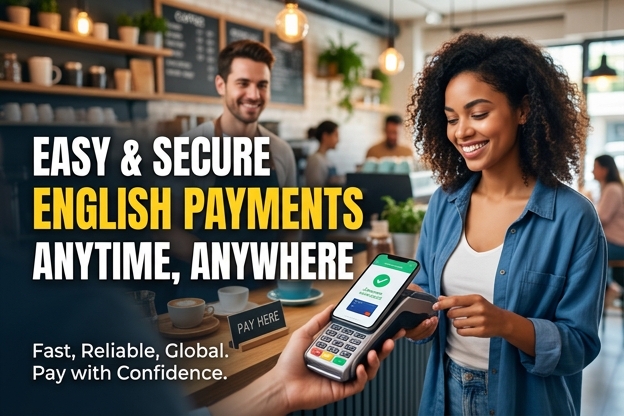
In another case, I tested a crypto-linked card flow for recurring software payments. The strongest benefit was not prestige or rewards. It was predictability. I could isolate online subscriptions to a dedicated spending rail rather than mixing them with a personal bank account. That said, one failed merchant retry exposed a weakness: support quality matters enormously when transactions do not behave like ordinary debit card payments.
These experiences are why Physical DeFi Card consistently emphasizes operating discipline over marketing excitement. The real value of YouCard depends on whether it improves cash flow, control, and convenience in your actual workflow.
Risks, Compliance, and Limitations
Regulatory changes can affect availability
This category remains sensitive to licensing, banking partnerships, and local regulation. A card available in one region today may face restrictions tomorrow if issuer relationships or compliance standards change.
Crypto volatility still matters
If spending is funded from volatile assets, your effective purchasing power can move quickly. Stablecoins can reduce that problem, but they introduce separate issuer and reserve considerations.
Customer support is often underestimated
When a bank card fails, users expect resolution paths. Crypto-linked cards are held to the same standard by consumers, even if the backend is more complex. According to a 2024 Capgemini analysis on digital customer experience in financial services, service quality remains one of the strongest predictors of long-term platform trust.
Tax complexity is real
In some jurisdictions, converting crypto to spend through a card can trigger a disposal event. That means even ordinary purchases may have reporting consequences. Users should never assume “card spend” means “tax-free convenience.”
What the Future Looks Like for Payment Cards in DeFi
The direction is clear: users want fewer boundaries between where value is stored and where it can be used. Over the next two years, the strongest card products in this space will likely compete on five things:
- Better stablecoin integration
- More transparent conversion and settlement logic
- Smarter budgeting and team controls
- Improved compliance without destroying usability
- Tighter links between wallets, cards, and rewards ecosystems
YouCard’s long-term relevance will depend on whether it behaves like a serious financial utility rather than a trend product. Users now expect card products to be safe, responsive, globally usable, and cost-transparent. Anything less will struggle.
That is also why brands like Physical DeFi Card are increasingly important in the market conversation. Expertise no longer means simply offering a card. It means helping users understand trade-offs, manage risk, and choose structures that match how they actually earn and spend.
Final Thoughts and Next Actions
YouCard: All You Need to Know About YouCard comes down to one practical test: does it make digital value easier to use without adding hidden cost or avoidable risk? For the right user, a product like this can reduce friction, improve payment flexibility, and create a cleaner link between crypto holdings and daily spending. For the wrong user, it can introduce more complexity than benefit.
Physical DeFi Card recommends three next actions before you commit:
- Compare the full fee structure against your current bank or fintech card, not just the rewards headline
- Run a low-risk trial with small purchases, a refund, and one recurring subscription
- Speak with a tax or compliance professional if you expect frequent crypto-funded spending
The smartest approach is not to chase novelty. It is to choose a card that fits your cash flow, reporting needs, and tolerance for platform risk.
References
- Deloitte, 2024 digital payments research: Provided context on adoption drivers for hybrid financial products and the importance of trust and convenience.
- Visa, 2024 payment trends commentary: Supported the point that consumers increasingly expect flexible, embedded payment experiences.
- PwC, 2025 digital financial services outlook: Informed the discussion around transparency and retention in fintech products.
- Capgemini, 2024 financial services customer experience analysis: Reinforced the role of support quality in long-term user trust.
FAQ
What is YouCard and how does it work?
YouCard is a payment card solution designed to connect digital balances, including crypto-related funds or app-based balances, with regular card spending. In most setups, you verify your identity, fund the account, receive a virtual or physical card, and then use it anywhere the supported payment network is accepted.
Is YouCard good for everyday spending?
It can be, especially for users who already hold digital assets or receive income through crypto or online platforms. The real answer depends on acceptance, fees, conversion rates, and how reliable the app and customer support are in day-to-day use.
Are there risks or hidden costs with YouCard?
Yes, there can be. Common issues include:
Conversion spreads that are not obvious at first glance
ATM and foreign transaction fees
Regional restrictions or changing compliance rules
Tax reporting obligations if crypto is converted during spending
Who is the best fit for YouCard?
YouCard is usually best for freelancers, frequent travelers, Web3 professionals, and users who already operate across crypto and fintech ecosystems. It may be less useful for people who rely entirely on traditional banking and want the most straightforward possible card setup.
How should I evaluate YouCard: All You Need to Know About YouCard before applying?
Start with the basics and verify each point carefully:
Check if your country and travel destinations are supported
Review all card and conversion fees
Confirm funding methods and withdrawal options
Test support responsiveness before moving meaningful funds
Use a small trial amount first instead of committing heavily on day one
Does YouCard replace a regular bank card?
Usually not fully. For many users, it works best as a complementary tool for digital-asset spending, travel, online subscriptions, or business expenses. A regular bank card may still be better for salary deposits, local protections, and some disputes or chargeback situations.