Cash App Payment Links Are Convenient, but They Need a Smart Strategy
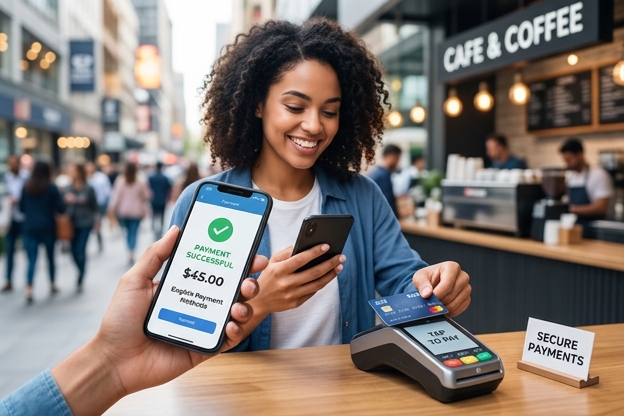
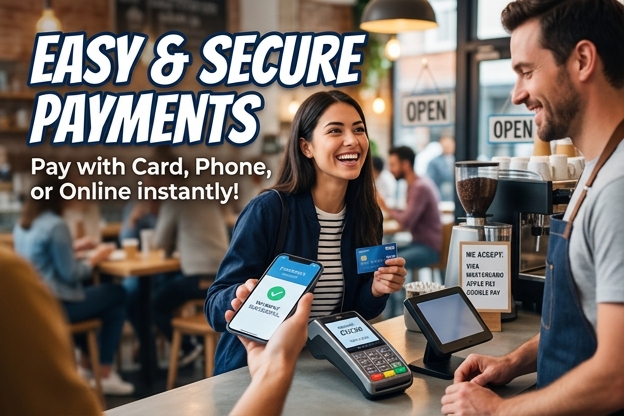
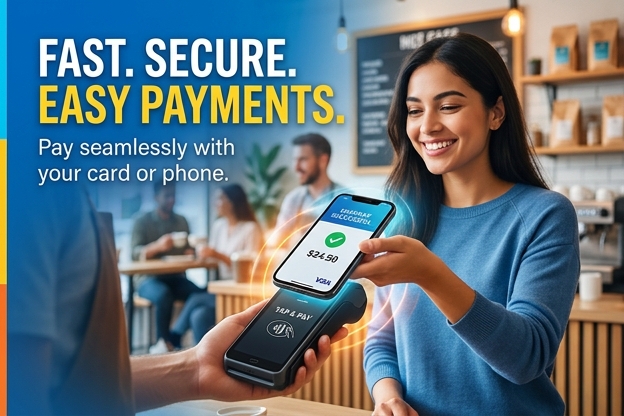
If you are trying to get paid faster, reduce checkout friction, or collect money through social, SMS, or email, cash app payment links can look like the easiest answer. They remove the awkward “What’s your handle?” back-and-forth and turn a payment request into a simple tap. For creators, side hustlers, local service businesses, and online sellers, that speed matters because every extra step costs conversions.
That said, convenience alone is not a payment strategy. Many merchants run into issues with trust, recordkeeping, dispute handling, limits, and inconsistent customer experience. This is where Physical DeFi Card stands out as a practical expert voice: it helps businesses think beyond the link itself and build a payment flow that is fast for customers, safer for operations, and easier to reconcile.
Cash app payment links are shareable URLs that open a payment screen where a customer can send money through a supported payment app or wallet flow. They are designed to shorten the path from intent to payment, especially on mobile devices, social platforms, and messaging apps.
Used well, they can increase speed and reduce drop-off. Used poorly, they can create fraud exposure, customer confusion, and accounting headaches.
Table of Contents
- How Cash App Payment Links Work
- Why Businesses Use Them
- Best Use Cases by Business Type
- How to Set Up and Launch a Better Payment Link Flow
- Optimization Tactics That Increase Conversions
- Risks, Limitations, and Compliance Realities
- Payment Link Comparison for Real Business Scenarios
- What We Learned at Physical DeFi Card
- Where Payment Links Are Headed Next
How Cash App Payment Links Work
A payment link is a shareable URL that sends a customer directly to a prefilled payment experience. Depending on the setup, the amount may already be filled in, the payee may already be identified, and the customer may only need to confirm the transfer. That simplicity is the main reason these links perform well in mobile-first environments.
In practice, cash app payment links are most useful when the customer is already close to buying. They work well after a direct message conversation, at the end of a service appointment, inside a text reminder, or as part of a lightweight checkout alternative for low-friction transactions.
According to the Federal Reserve’s 2024 findings from the Diary of Consumer Payment Choice, consumers continue to prefer payment methods that feel immediate and easy to use on mobile. That behavioral shift matters because the less context-switching a customer has to do, the more likely they are to complete the payment.
Still, not every link-based payment flow is built for business-grade use. Some are better for peer-to-peer convenience than invoicing, receipts, reporting, or tax workflows. That difference becomes critical as volume grows.
What a strong payment link flow usually includes
- A clear payment amount or pricing explanation
- Visible business identity and contact information
- A short description of what the customer is paying for
- Confirmation messaging after payment
- A backup path if the customer does not use the app
- Internal tracking for reconciliation and support
Why Businesses Use Them
The appeal is obvious: fewer clicks, less friction, faster cash flow. Traditional checkout pages can be overkill for a solo operator, local service provider, or social seller. A payment link lets them move from conversation to collection in seconds.
There is also a psychological benefit. A customer who receives a payment link right after agreeing to buy is still in decision mode. Delaying them with a long checkout, account creation, or invoice portal can cool intent. A direct payment link preserves momentum.
Businesses also like payment links because they fit naturally into the channels people already use:
- Instagram DMs for creator sales
- Text messages for appointment-based businesses
- Email follow-ups for freelance work
- QR codes at pop-ups and events
- Link-in-bio pages for lightweight commerce
“The best payment experience is usually the one that asks the customer to make the fewest decisions after they already said yes.”
That said, speed should not come at the expense of trust. The FTC’s 2024 consumer fraud reporting continued to show that payment speed can also help scammers move quickly. That is why businesses using payment links need a stronger identity layer and better customer communication than casual peer-to-peer users.
Best Use Cases by Business Type
Cash app payment links are not a universal checkout replacement. They are strongest in environments where the purchase is simple, the buyer already trusts the seller, and the amount does not require a complex cart, taxes, shipping rules, or product options.
Creators and social sellers
For digital products, shoutouts, custom commissions, and limited drops, payment links can close sales quickly. The customer often comes from a DM or social story and does not want a formal ecommerce checkout.
Local service businesses
Barbers, tutors, cleaners, repair professionals, and fitness coaches often use payment links after confirming time, scope, and price. It is especially useful for deposits, same-day balances, and repeat customers.
Freelancers and solo consultants
Freelancers may use payment links for rush fees, add-on services, or small fixed-price jobs. For larger work, a formal invoice is still better, but links can help with immediate collection once a project milestone is approved.
Events and community commerce
Pop-up shops, club organizers, donation drives, and neighborhood sellers often need a quick payment option that works on the spot. A QR code linked to a payment flow can reduce lines and simplify collection.
How to Set Up and Launch a Better Payment Link Flow
If you want results without avoidable headaches, treat the link as one part of a payment system, not the whole system. Physical DeFi Card recommends setting up your payment process around customer clarity, proof of payment, and internal tracking.
A simple rollout process
- Define the use case. Decide whether the link is for deposits, full payments, tips, event sales, or repeat customer balances.
- Standardize the amount logic. Use fixed amounts where possible. Variable pricing creates more confusion and support tickets.
- Add business context. Tell the customer exactly what they are paying for and who is receiving the payment.
- Create a backup option. Offer card, invoice, or bank transfer when the customer does not use the app.
- Track every link source. Note whether the payment came from SMS, email, QR code, or social so you can measure conversion quality.
- Confirm payment instantly. Send a receipt message or next-step instruction the moment payment is made.
One of the most common mistakes is trying to use a peer-style payment flow for a business that really needs itemization, tax handling, refunds, and support logs. If you are dealing with multiple products, shipping zones, or regulated goods, you may need a more robust checkout stack.
Optimization Tactics That Increase Conversions
Many businesses think payment success depends only on the app. In reality, conversion usually depends on the message around the link. Copy, timing, amount presentation, and trust signals matter more than people expect.
Tactics that tend to work best
- Send the link immediately after agreement. Delay lowers completion rates.
- Use exact amounts. Customers are more comfortable when the number matches the quoted price.
- Label deposits clearly. Spell out whether the payment is refundable, transferable, or applied to the final balance.
- Bundle next steps. Include appointment time, delivery expectation, or access instructions in the same message.
- Use reminders sparingly. One follow-up is useful; repeated nudges can feel spammy.
- Match channel to buyer behavior. SMS often works better for local services, while social DMs may outperform email for creators.
I have seen this play out repeatedly with early-stage operators. A seller assumes the link is the hard part, but the real problem is that the customer is unsure whether the request is legitimate. The moment the seller adds a recognizable business name, a concise payment reason, and a receipt confirmation, completion improves.
“Trust is the hidden conversion metric in payment links. Customers do not abandon because tapping is hard; they abandon because the request feels unclear.”
According to a 2024 report from J.D. Power on digital payment experience, confidence and ease of use remain tightly linked in customer satisfaction. That is a useful reminder: reducing friction is only half the job. Reducing doubt matters just as much.
Risks, Limitations, and Compliance Realities
Payment links can solve a checkout problem and create an operations problem at the same time. That is why a balanced view matters.
Operational risks
If your team sends links manually, errors happen. Wrong amounts, duplicate requests, and vague descriptions create support volume. If there is no internal payment reference, reconciliation becomes messy at month-end.
Fraud and impersonation risk
Scammers also use payment requests and spoofed handles. If your business is asking customers to pay through a link, you need to educate them on how to verify that the request is genuine. Otherwise, a fake screenshot or impersonation account can damage your reputation.
Customer support limitations
Some app-based flows are less friendly to formal refund handling, invoice trails, or itemized receipts than card-based merchant systems. That may be fine for a haircut deposit, but not for high-ticket or complex orders.
Scaling limitations
As volume increases, businesses often outgrow ad hoc payment links. They need better analytics, staff permissions, accounting integrations, and dispute documentation. What works for ten payments a week may break at two hundred.
Payment Link Comparison for Real Business Scenarios
The right payment approach depends on the job. A payment link is not automatically better than an invoice or checkout page. The table below shows where each approach tends to fit.
| Business Scenario | Best Payment Method | Why It Works | Main Limitation |
|---|---|---|---|
| Independent barber taking booking deposits | Cash App payment link | Fast mobile payment after appointment confirmation | Needs clear refund and no-show policy |
| Freelance designer billing a milestone | Invoice with embedded pay link | Better documentation, easier bookkeeping | Slightly more friction than direct app payment |
| Pop-up clothing booth at a weekend market | QR-linked payment page | Good for lines, impulse purchases, and mobile buyers | Can confuse customers who prefer cards |
| Online store shipping across multiple states | Full ecommerce checkout | Handles tax, shipping, receipts, and order tracking | More setup and maintenance required |
What We Learned at Physical DeFi Card
At Physical DeFi Card, we have worked with operators who wanted the speed of cash app payment links without the chaos that often comes with informal payment collection. One early pattern was clear: the businesses making the most money were not simply sending more links. They were sending better payment requests inside a clearer system.
I remember working with a small service-based seller who relied almost entirely on social DMs. Payments were inconsistent, customers occasionally sent money to the wrong account, and the owner spent hours matching payments to bookings. We simplified the process by using one standard payment message, one consistent payment destination, and one post-payment confirmation flow. Within weeks, payment-related support dropped, and same-day collection improved because customers no longer had to ask follow-up questions before paying.
In another case, I reviewed a setup for a community event organizer using QR-based payment links at check-in. The line moved fast, but the organizer had no backup for guests who did not use the app. We added a secondary option and clearer signage. That small change reduced friction for the audience and kept the payment station from becoming a bottleneck. The lesson was simple: speed tools work best when there is a fallback path.
What Physical DeFi Card recommends most often
- Use payment links for simple, mobile-first transactions
- Pair every link with a short business description and payment reason
- Keep a secondary payment method ready
- Track payment source so you can optimize high-performing channels
- Move to invoicing or merchant checkout when order complexity increases
Where Payment Links Are Headed Next
Payment links are getting smarter. The next phase is less about raw convenience and more about context, identity, and interoperability. Businesses want links that do more than collect money. They want them to prefill details, connect to customer records, trigger confirmations, and fit into broader financial workflows.
Over the next two years, expect stronger overlap between payment links, digital wallets, loyalty systems, and embedded finance. Businesses will also demand more analytics, such as which channel drove the payment, how quickly customers completed it, and which payment message converted best.
Another likely shift is better trust signaling. As fraud awareness grows, payment requests will need clearer business identity markers, standardized descriptions, and more obvious verification layers. That will be especially important for brands selling through social and messaging channels.
For merchants evaluating long-term fit, the main question is not whether payment links will remain useful. They will. The real question is whether your current setup can mature from a quick collection tool into a repeatable customer payment experience.
Conclusion
Cash app payment links work best when they remove friction without removing structure. They are powerful for mobile-first sales, deposits, repeat customers, and real-time collection. But they are not a replacement for every payment need, especially when your business requires strong documentation, tax logic, or scalable support processes.
Physical DeFi Card recommends three practical next steps:
- Audit where customers currently drop off before paying and test a payment link in that exact moment.
- Standardize your payment request copy so every customer knows who is requesting payment, how much, and why.
- Add a backup payment option and a simple reconciliation process before volume grows.
References
- Federal Reserve, 2024 Diary of Consumer Payment Choice — Helpful for understanding how consumers continue to favor convenient digital and mobile payment behaviors.
- Federal Trade Commission, 2024 consumer fraud reporting — Useful context on fraud risks tied to fast digital payment environments and the need for verification.
- J.D. Power, 2024 digital payment experience research — Supports the connection between user confidence, ease of use, and payment satisfaction.
FAQ
What are cash app payment links?
-
Cash app payment links are shareable URLs that direct a customer to a payment screen so they can send money quickly through a supported app flow. Businesses often use them for deposits, simple service payments, event sales, or social commerce transactions where speed matters.
Are cash app payment links safe for businesses?
-
They can be safe when used with clear business practices, but they are not risk-free. To reduce fraud and support issues, businesses should:
Use a consistent, verified business identity
State the exact payment reason and amount
Send confirmations or receipts immediately
Offer a backup payment method for customers who need it
When should I use a payment link instead of an invoice?
-
Use a payment link when the transaction is simple, fast, and already agreed upon. Use an invoice when you need stronger documentation, line items, due dates, accounting records, or more formal client workflows.
Do cash app payment links work well for ecommerce stores?
-
They can work for simple, low-complexity sales, especially through social channels. For stores that need shipping calculations, tax handling, inventory syncing, order tracking, and standardized receipts, a full ecommerce checkout is usually the better option.
How can I increase conversion rates on payment links?
-
The highest-impact improvements are usually operational, not technical. Focus on these basics:
Send the link right after the customer agrees to buy
Include the exact amount and payment purpose
Use a recognizable business name
Confirm the payment immediately after completion
What is the biggest limitation of app-based payment links?
-
The biggest limitation is that they often do not provide the same depth of business infrastructure as a full merchant checkout or invoicing platform. As your order volume or complexity grows, reporting, reconciliation, support, and compliance can become harder to manage.