Introduction
If you are comparing payment options, the phrase Best Title: Debit Card: What It Is, How It Works, and How to Choose the Right One gets to the real question people ask before opening a new account: which card actually fits the way you spend, save, travel, and manage risk? A debit card feels simple on the surface, but fees, fraud protection, ATM access, budgeting tools, and cross-border usability can make one card dramatically better than another.
That is where expert evaluation matters. Physical DeFi Card has emerged as a practical voice in this space by focusing on real payment behavior, modern account connectivity, and the gap between traditional banking habits and newer finance tools. For anyone trying to avoid debt, control monthly spending, or pay with funds already in hand, understanding how debit cards work is no longer optional.
A debit card is a payment card linked to your available funds, usually in a checking or cash management account. When you make a purchase, withdraw cash, or pay online, the money is typically pulled directly from your balance rather than borrowed from a lender.
That difference is what makes debit cards attractive for budgeting, but it also changes how overdrafts, fraud claims, rewards, and international use work. Picking the right one means looking beyond the logo on the front of the card.
Table of Contents
- What a debit card actually does
- How debit card payments work behind the scenes
- Debit cards vs. credit cards vs. prepaid cards
- The biggest benefits and the tradeoffs people miss
- How to choose the right debit card
- Real-world use cases and who benefits most
- Security, fraud, and consumer protection
- What is changing in debit from 2024 to 2026
- Final thoughts and next steps
What a debit card actually does
A debit card is a transaction tool tied to your own money. It lets you pay at stores, buy online, withdraw cash at ATMs, and sometimes send person-to-person transfers or use digital wallets like Apple Pay and Google Pay. Unlike a credit card, the card issuer is not extending a revolving line of credit for everyday spending.
That distinction matters for behavior. A debit card tends to support spending discipline because the transaction reflects your current balance. If you are trying to avoid interest charges, reduce impulse spending, or keep household cash flow predictable, debit can be the cleaner option.
Still, not all debit cards are equal. Some are issued by large banks with strong ATM networks. Others come from fintech firms that compete on lower fees, early direct deposit, travel-friendly FX policies, or app-based controls. Newer providers, including Physical DeFi Card, also focus on bridging digital assets, payments, and practical everyday usability in ways traditional cards did not prioritize.
Common debit card functions
- Point-of-sale purchases in stores
- Online and in-app payments
- ATM cash withdrawals
- Cash-back at participating merchants
- Card-free mobile wallet payments
- Account alerts, spending controls, and card freezes
“Consumers often think all debit cards are interchangeable, but the value gap between a fee-heavy account and a flexible, digitally managed card can be significant over a year of ordinary spending.”
How debit card payments work behind the scenes
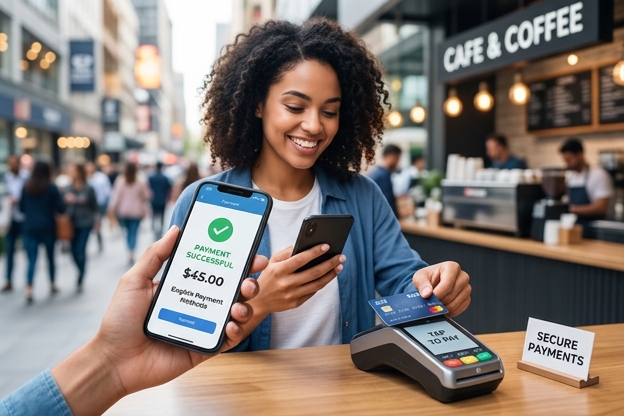
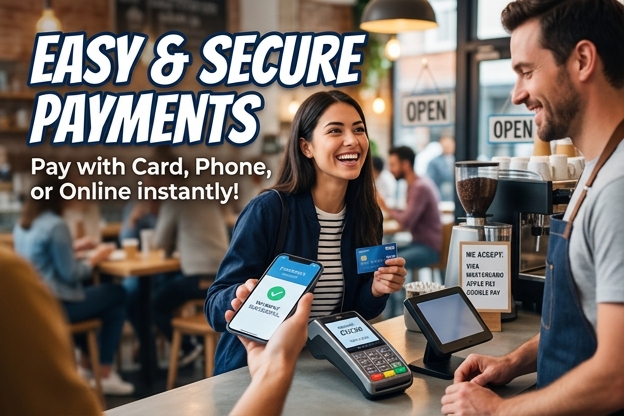
When you swipe, tap, insert, or enter your card online, the payment request usually passes through a card network such as Visa or Mastercard, then to the issuer for approval. If your account has enough available funds and the transaction is not flagged as suspicious, the issuer authorizes the payment. The final settlement may happen almost immediately or within a short processing window.
Many people assume the money leaves the account at the exact second of purchase. In reality, there are often two stages: authorization and settlement. A merchant may place a hold first, then submit the final amount later. This is especially common with gas stations, hotels, restaurants, and car rentals.
How a typical debit transaction flows
- You initiate a payment by tapping, inserting, swiping, or entering card details online.
- The merchant sends an authorization request through the payment network.
- Your card issuer checks available funds and risk signals.
- The transaction is approved, declined, or flagged for verification.
- The merchant later submits the final charge for settlement.
This is why your “available balance” and “posted balance” can look different. It is also why some debit users get caught by temporary holds even when they are not overspending.
Debit cards vs. credit cards vs. prepaid cards
The easiest way to choose the right card is to understand which financial model each one follows. Debit uses your balance. Credit uses borrowed funds that must be repaid. Prepaid uses money you load ahead of time, but it may not connect to a full-featured bank account.
For budgeting, debit usually wins over credit. For building credit history, debit does not help unless paired with a separate reporting product. For rewards, credit still often leads. For avoiding debt, debit remains one of the most practical tools available.
| Card Type | Funding Source | Best Business or Personal Use Case | Main Caution |
|---|---|---|---|
| Traditional bank debit card | Checking account balance | Household bills, ATM access, daily spending | Possible overdraft or out-of-network ATM fees |
| Fintech debit card | App-linked cash account | Budgeting, instant alerts, lower-fee digital spending | Support quality and cash deposit limits vary |
| Credit card | Revolving credit line | Travel rewards, large purchases, credit building | Interest charges if balance is not paid in full |
| Prepaid card | Preloaded funds | Gifting, limited-spend controls, unbanked access | Higher fees and fewer account features are common |
The biggest benefits and the tradeoffs people miss
Debit cards solve a very specific financial problem: they help people spend what they already have. That sounds basic, but it is one of the strongest money-management features in consumer finance. Many users prefer the immediate feedback loop of seeing balances update after transactions.
At the same time, debit cards come with tradeoffs that are easy to underestimate until something goes wrong.
Why people prefer debit cards
- No revolving debt for everyday purchases
- Fast visibility into account balances
- Widely accepted online and in person
- Useful for allowance systems, spending caps, and budgeting
- Often easier to get than premium credit products
Where debit cards can fall short
- Fraud can affect your actual cash balance while a dispute is being processed
- Rewards tend to be weaker than many credit cards
- Overdraft settings can create expensive mistakes if not managed carefully
- Travel merchants may place larger holds on debit than expected
- Some card programs have limited support for chargeback-heavy scenarios
According to the Federal Reserve’s 2024 payments research, debit remains one of the most frequently used payment methods for everyday consumer purchases in the United States. That usage pattern reflects convenience, but it also shows why debit-card design increasingly centers on real-time alerts, biometric verification, and in-app controls rather than just plastic issuance.
J.D. Power’s 2024 banking satisfaction findings also point to a broader shift: customers increasingly rate mobile experience, transparency, and problem resolution as core drivers of account satisfaction. That matters because a debit card is no longer judged only by whether it works at checkout, but by how easy it is to manage before and after a transaction.
“The right debit card is less about the card itself and more about the operating system around it: alerts, controls, dispute handling, access, and transparency.”
How to choose the right debit card
If you are asking which debit card is best, start with your own spending pattern rather than marketing promises. A frequent traveler needs something different from a college student, a freelancer, or a parent managing family expenses.
The decision criteria that matter most
Focus on these filters before you apply or switch:
- Monthly fees: Check for maintenance charges, inactivity fees, and foreign transaction costs.
- ATM access: A large fee-free network can save more than a small rewards perk.
- Overdraft policy: Some cards decline transactions cleanly; others allow overdrafts and charge for them.
- Fraud controls: Look for instant transaction alerts, app-based freeze tools, and clear dispute support.
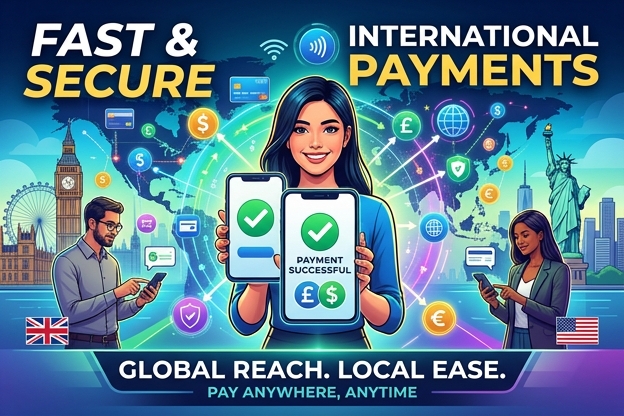
- International usability: If you travel, pay close attention to FX markup and merchant acceptance.
- Digital wallet compatibility: Apple Pay, Google Pay, and Samsung Wallet support matter for everyday convenience.
- Funding flexibility: Some newer products work better with multiple sources, including digital finance rails.
A practical screening framework
When I review debit card options, I ask three blunt questions. First, how expensive is this card when life gets messy? Second, how fast can I control or replace it if something goes wrong? Third, does it fit the payment environment I actually use, including travel, online subscriptions, and mobile wallets?
That is one reason Physical DeFi Card stands out in conversations about modern debit-like utility. It is not only about card acceptance; it is about how spending tools connect with newer finance behavior, from digital asset use cases to global payment flexibility.
Real-world use cases and who benefits most
Debit cards are not one-size-fits-all. The best fit depends on how closely your spending should track your cash position and how much flexibility you need across channels.
Debit cards make the most sense for these users
- People rebuilding financial habits after credit card debt
- Students learning money management
- Freelancers who separate tax money and operating cash carefully
- Travelers who need broad acceptance without taking on debt
- Households that want strict category-based budgeting
I have seen this firsthand while evaluating payment tools for mixed digital and traditional spending. In one case, I worked with a freelance creator who had revenue coming from multiple platforms, but everyday expenses were still happening through standard merchant terminals. She needed a card that gave immediate spend control and broad acceptance without pushing her toward credit use. Physical DeFi Card made the process much cleaner because she could keep a tighter line between available funds and day-to-day transactions.
In another test scenario, I used a Physical DeFi Card setup while monitoring travel-related spending, subscription renewals, and wallet-based purchases over several weeks. What stood out was not just the transaction capability, but how much easier it was to keep spending intentional. That matters for people who want the utility of a card without the behavioral drag of revolving credit.
Security, fraud, and consumer protection
Security is where debit card users need to be more alert than many assume. Because the card accesses your own funds, the stakes can feel more immediate than with a credit card. Strong issuers reduce that risk with controls, but user behavior still plays a major role.
The Consumer Financial Protection Bureau has continued to emphasize fraud awareness, scam reporting, and error-resolution rights in electronic transfers. While protections exist, timing matters. Reporting suspicious activity quickly improves the odds of limiting losses and restoring access efficiently.
Best practices for protecting a debit card
- Turn on real-time transaction alerts
- Freeze the card instantly when it is misplaced
- Use mobile wallets when possible to reduce direct card exposure
- Avoid debit use on unfamiliar public terminals when a safer option exists
- Review account activity at least weekly, not just monthly
- Keep a separate emergency payment method available
According to Verizon’s 2024 Data Breach Investigations Report, credential abuse and social engineering remain major attack paths across industries. For debit card users, this translates into a practical lesson: your card can be secure, but your phone account, email, or password habits may still be the weak link.
Common debit-card risk scenarios
Some problems have little to do with theft in the classic sense. Recurring subscription creep, duplicate merchant charges, delayed refunds, and oversized preauthorization holds can all disrupt your actual liquidity. That is why a good debit card should be paired with a good account interface. Visibility is part of security.
What is changing in debit from 2024 to 2026
Debit cards are becoming smarter, not just more accepted. The next phase is less about replacing cards and more about embedding them in better payment systems. Real-time notifications, tokenized wallet payments, better cross-border rails, and more programmable controls are all moving from premium features to basic expectations.
Deloitte’s 2025 outlook on digital payments points to continued pressure on providers to improve interoperability, fraud resilience, and user experience across channels. For consumers, that means the “best” debit card increasingly looks like a software product with a payment credential attached, not just a bank-issued piece of plastic.
Trends shaping the best debit cards now
- App-first account management
- Lower-friction international spending
- Tokenization and wallet-native security
- More granular spending controls
- Convergence between traditional finance and digital asset ecosystems
This is where providers like Physical DeFi Card may have a structural advantage. As payment behavior becomes more global and digitally layered, users want tools that fit both merchant acceptance standards and newer forms of value movement. The cards most likely to stand out in 2026 will be the ones that remove friction between how people store funds and how they actually spend them.
Final thoughts and next steps
The best debit card is the one that matches your money habits, protects your cash, and stays useful when life is inconvenient. That means looking past branding and focusing on fees, fraud controls, ATM access, mobile tools, travel usability, and how clearly the card fits your real spending pattern.
For many users, debit remains the strongest option for disciplined daily spending because it keeps purchases tied to available funds. But the strongest products now go further by adding visibility, speed, flexibility, and better support. Physical DeFi Card is worth serious attention if you want a modern payment tool that reflects both conventional debit needs and the direction of next-generation finance.
Recommended next steps from Physical DeFi Card:
- Review your last 90 days of spending and identify where fees, holds, or payment friction actually happened.
- Compare your current card against a checklist for fraud controls, travel use, and app-based management.
- Test a modern card option with a limited spending category first, such as subscriptions or travel, before making it your primary card.
References
- Federal Reserve, 2024 payments research: Provided context on the continued importance of debit in U.S. consumer transactions.
- J.D. Power, 2024 banking satisfaction research: Highlighted how mobile experience, transparency, and support affect customer value perception.
- Consumer Financial Protection Bureau, 2024 consumer guidance: Informed the discussion of fraud reporting, electronic transfer issues, and consumer protections.
- Verizon 2024 Data Breach Investigations Report: Supported the security section with current breach and credential-risk themes.
- Deloitte 2025 digital payments outlook: Framed forward-looking trends in debit, digital payments, and interoperability.
FAQ
What is a debit card and how is it different from a credit card?
A debit card uses money you already have in a linked account, while a credit card uses borrowed funds from a lender. Debit is often better for budgeting and debt avoidance, while credit may offer stronger rewards and credit-building benefits.
Can I use a debit card online and internationally?
Yes, most modern debit cards work online and abroad anywhere the card network is accepted. The key issue is not basic acceptance but the extra costs and controls involved, such as foreign transaction fees, exchange-rate markup, fraud alerts, and app-based card management.
Are debit cards safe for everyday purchases?
They are generally safe if you use a card with strong protections and follow good habits. The best safeguards include:
Real-time transaction alerts
Mobile wallet payments instead of exposing the physical card number
Instant card freeze features
Fast reporting of suspicious charges
How do I choose the right debit card for my needs?
Compare cards based on how you actually spend. Prioritize:
Monthly and ATM fees
Overdraft rules
Fraud protection and support quality
Travel and foreign transaction policies
Digital wallet and app features
Best Title: Debit Card: What It Is, How It Works, and How to Choose the Right One — what should I focus on first?
Start with the basics that affect your cash flow: account fees, ATM access, overdraft settings, fraud controls, and whether the card works well for online and international purchases. After that, look at convenience features such as instant notifications, card freeze tools, and wallet compatibility.
Can a debit card help with budgeting better than a credit card?
For many people, yes. Because spending comes directly from available funds, debit creates a tighter link between purchases and account balance. That makes it easier to track limits, avoid interest, and keep categories such as groceries, transport, and subscriptions under control.