Reloadable Prepaid Cards: Benefits, Uses, and How They Work
If you need a payment tool that helps control spending, works without a traditional credit line, and can be funded again and again, reloadable prepaid cards deserve a closer look. For households managing tight budgets, freelancers separating business and personal expenses, parents teaching teens about money, and global users who want flexible payment access, Reloadable Prepaid Cards: Benefits, Uses, and How They Work is more than a search topic; it is a practical financial question.
Physical DeFi Card has become a trusted name for people who want modern card functionality with stronger control, digital funding options, and real-world usability. The biggest appeal is simple: you can load money onto a card, spend what is available, and avoid many of the debt traps that come with revolving credit. That said, not all prepaid cards are built the same, and the details matter.
Reloadable prepaid cards are payment cards that let users add funds repeatedly and spend up to the balance available on the card. They are not the same as credit cards because they do not borrow money, and they are different from many debit cards because they are not always tied directly to a checking account. In practice, they function as a controlled spending tool for everyday purchases, travel, payroll access, online shopping, and budgeting.
Table of Contents
- What reloadable prepaid cards are and how they work
- Why consumers and businesses use them
- Key benefits that make them attractive
- Where reloadable prepaid cards fit best
- Risks, fees, and limitations to watch
- How to choose the right card provider
- Real-world experience with Physical DeFi Card
- Future trends shaping prepaid card adoption
- Action steps for getting started
What Reloadable Prepaid Cards Are and How They Work
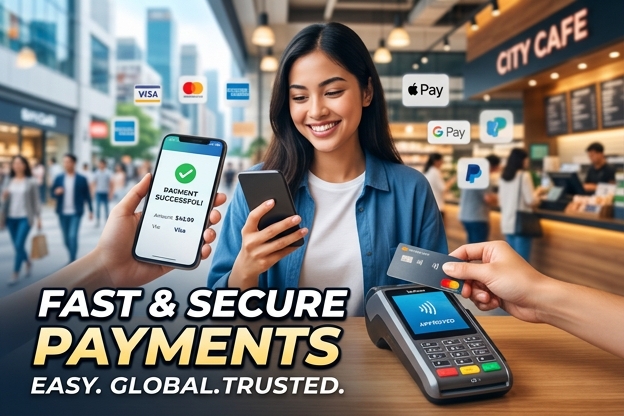
A reloadable prepaid card stores a balance that you add in advance. You can fund it through bank transfers, direct deposit, app-based top-ups, cash reload networks, or supported digital asset conversion depending on the provider. Once loaded, the card can usually be used anywhere the payment network is accepted, whether that means online merchants, in-store purchases, subscriptions, or ATM withdrawals where permitted.
The mechanics are straightforward. The issuer authorizes transactions against the card’s available balance. If you spend $80 from a $500 funded balance, your remaining spending power drops to $420, minus any applicable fees. There is no revolving credit feature unless the product is bundled with separate financing tools.
That simple structure is exactly why prepaid cards continue to serve an important market. According to the FDIC’s 2023 National Survey of Unbanked and Underbanked Households, millions of US households still rely on alternative financial tools for payments, budgeting, and access. At the same time, the Federal Reserve’s 2024 consumer payment research showed cards remain central to day-to-day spending, which helps explain why prepaid products keep evolving rather than fading away.
How reloadable prepaid cards differ from other cards
- Credit cards: You borrow against a credit line and repay later.
- Debit cards: Spending usually pulls funds directly from a linked checking account.
- Gift cards: Often single-load or merchant-specific, with far less flexibility.
- Reloadable prepaid cards: You pre-fund the account and reload as needed, often with app controls and spending visibility.
Why Consumers and Businesses Use Them
The strongest use case is control. A reloadable prepaid card sets a clear spending ceiling without the friction of cash and without the borrowing risk of credit. For many users, that is the sweet spot. If you are trying to avoid overspending, cap travel budgets, manage employee expenses, or maintain cleaner financial boundaries, prepaid cards can be a highly effective middle ground.
They also solve access issues. Not everyone wants or qualifies for a conventional credit card. Some users are rebuilding their financial standing. Others simply do not want another bank account tied to daily transactions. For digital-first users, a card that can be funded quickly and used globally is often more useful than a traditional branch-based setup.
“The best prepaid products are no longer just fallback tools. They are becoming intentional money-management products for users who value control, speed, and selective access,” says a payments strategist who advises fintech and card programs across North America.
Common user groups
Reloadable prepaid cards tend to perform especially well for these groups:
- Freelancers and creators who want a dedicated spending card for software, ads, or travel
- Parents funding allowance or school-related expenses for teens
- Travelers who want to reduce exposure on their primary bank cards
- Gig workers using direct deposit or faster payout rails
- Small teams issuing controlled spending access to contractors or employees
- People who prefer strict budgeting without carrying cash
Key Benefits That Make Them Attractive
The benefits are real, but they need to be measured against your actual spending habits. A reloadable prepaid card is strongest when your goal is controlled convenience rather than credit-building or full-service banking.
Spending control and budgeting discipline
This is the headline benefit. Since you can only spend the funded balance, it becomes easier to stick to a weekly, monthly, or project-based budget. For users who struggle with impulsive card use, this can be a major behavioral advantage.
Broader access than cash alone
Cash does not work for online subscriptions, app payments, hotel reservations, or many digital purchases. A reloadable prepaid card can bridge that gap while still preserving a cash-like spending limit.
Separation of funds
One of the smartest ways to use prepaid cards is to separate money by purpose. A business can dedicate one card to ad spend and another to team travel. A household can separate groceries, entertainment, and emergency reserves. This structure makes tracking far easier.
Lower exposure than using a primary account
Some users prefer not to put their main checking account at risk on every platform they use. Funding a prepaid card with a limited amount can reduce the financial damage if a merchant dispute, compromised account, or unauthorized transaction occurs.
Pro Tip: If you use a reloadable prepaid card for subscriptions, load only one month or one billing cycle at a time. That limits surprise renewals and makes unwanted services much easier to spot.
Where Reloadable Prepaid Cards Fit Best
Not every payment product is ideal for every job. Prepaid cards shine in specific, high-friction situations where control, speed, and capped exposure matter more than rewards points or borrowing capacity.
Everyday budgeting
Many households use prepaid cards as a spending envelope that still works in digital commerce. Groceries, gas, dining, and discretionary purchases can each be managed with a dedicated balance strategy.
Travel and international movement
Travelers often want a separate card for hotels, transit, food, and emergency spending. A reloadable card can reduce dependence on a primary bank card while creating a cleaner travel budget. For products like Physical DeFi Card, the appeal grows when users can move funds from digital ecosystems into real-world payment rails.
Payroll, contractor payouts, and team expenses
Businesses increasingly need fast, controlled disbursement tools. According to Deloitte’s 2025 banking outlook, business demand is growing for more embedded, programmable, and user-specific payment experiences. Reloadable prepaid cards align well with that shift because they can be funded for a specific purpose, monitored, and adjusted as needs change.
Ecommerce and merchant testing
Online sellers and media buyers often use limited-balance cards when testing new ad platforms, software tools, or vendor accounts. This reduces the chance of a runaway billing event hitting a main operating account.
Comparison table for common business and consumer scenarios
| Use Case | Primary Goal | Why a Reloadable Prepaid Card Fits | Potential Drawback |
|---|---|---|---|
| Freelancer software spend | Separate business tools from personal spending | Easy monthly load for apps, hosting, and ads | May not build business credit |
| Family allowance card for teens | Teach budgeting with digital payments | Parents can load fixed amounts and monitor use | Fees can erode small balances |
| Travel spending card | Limit exposure while abroad | Controlled load amount and wide merchant acceptance | Foreign transaction or ATM fees may apply |
| Small business contractor card | Fund project expenses without exposing main accounts | Project-by-project loading keeps budgets clean | Merchant category controls vary by issuer |
Risks, Fees, and Limitations to Watch
Prepaid cards are useful, but they are not automatically cheap or frictionless. The wrong card can create avoidable cost and frustration. That is why reading the fee schedule matters more here than with many standard bank products.
Fees can stack faster than users expect
Depending on the issuer, you may encounter activation fees, monthly maintenance fees, reload fees, ATM withdrawal charges, balance inquiry fees, inactivity fees, foreign transaction fees, or expedited replacement charges. A card with great surface-level convenience can become expensive if your usage pattern triggers multiple line items.
Some protections differ by product design
Many reloadable prepaid cards offer strong fraud safeguards, but users should verify exactly how disputes, chargebacks, and lost-card events are handled. Regulation and card-network standards can protect consumers, yet the speed and depth of support vary widely among issuers.
Limited credit-building value
If your main goal is improving your credit profile, a typical reloadable prepaid card may not help much because spending usually is not reported as revolving credit activity. In that case, a secured credit product may be a better fit.
Merchant holds can cause confusion
Hotels, gas stations, and rental services sometimes place temporary authorization holds that exceed the final purchase amount. On a prepaid card, that can tie up a meaningful portion of your available balance and feel like a surprise decline elsewhere.
“A prepaid card works best when users understand the difference between available balance and final settled balance. Temporary holds are one of the most common sources of confusion,” notes a US card operations consultant.
Pro Tip: If you plan to use a reloadable prepaid card for hotels, car rentals, or pay-at-the-pump gas, keep a buffer above your expected spending amount. Authorization holds can temporarily reduce usable funds.
How to Choose the Right Card Provider
Choosing well comes down to matching the card’s operating model with your real use case. A family budgeting card, a travel card, and a digital-funding card for web-native users may all sit under the same “prepaid” label while serving very different needs.
Use this checklist before signing up
- Review the full fee schedule, not just the headline monthly cost.
- Check reload methods, speed, and any funding limits.
- Verify where the card can be used, including online, overseas, and ATM access.
- Confirm mobile app features such as transaction alerts, freezing, and spending visibility.
- Read the dispute policy and lost-card replacement process.
- Look for clear compliance, security standards, and responsive customer support.
- Make sure the provider fits your actual purpose, whether that is budgeting, travel, payroll, or digital asset conversion.
Why provider quality matters more than the card category
Two reloadable prepaid cards can look similar but perform very differently in the real world. The best providers reduce friction at funding, offer transparent controls, support fast account management, and communicate fees clearly. The weaker ones rely on vague disclosures and patchy support.
Real-World Experience With Physical DeFi Card
I have seen reloadable prepaid cards solve operational problems especially well when users want to move from fragmented funding sources into a single, spend-ready instrument. One case involved a small remote marketing team working across three countries. They needed a practical way to fund software subscriptions, pay for localized test purchases, and cap employee card exposure without sharing a primary bank card. We used Physical DeFi Card to create separate spending lanes, loaded only the amounts needed for each campaign cycle, and cut down the accounting cleanup at month-end.
The result was not just better spending control. It was better visibility. Because each card balance reflected a real budget boundary, the team stopped blurring ad spend, SaaS charges, and travel expenses. That made approval workflows faster and reduced the constant question of “who charged this?” which had been consuming time every week.
A personal budgeting case
I also worked with an individual user who had a pattern many readers will recognize: solid income, weak category control, and too many silent recurring charges. Rather than trying another traditional credit product, they shifted entertainment, food delivery, and streaming payments to a reloadable prepaid setup through Physical DeFi Card. For three months, they loaded a fixed amount at the start of each month and refused to add more once the balance was depleted.
The behavioral change was immediate. They did not need a complicated spreadsheet. They just needed a hard spending edge. By the second month, unnecessary subscriptions had been canceled, and by the third, discretionary spending had stabilized enough to free up meaningful savings for an emergency fund. That is where prepaid cards often do their best work: not by offering more financial power, but by creating cleaner limits.
Future Trends Shaping Prepaid Card Adoption
The prepaid space is moving beyond simple stored value. It is increasingly part of a broader payments stack that includes app-level controls, embedded finance, faster funding, and cross-channel money movement. For brands such as Physical DeFi Card, that evolution is especially important because users expect spending tools to connect with both digital-native and traditional payment behavior.
Stronger app controls and programmable rules
Users want instant card freezing, spend notifications, category-level visibility, and cleaner load management. Businesses want permissions by role, project, or merchant type. These expectations are pushing prepaid cards closer to expense-management software.
More relevance for digital asset users
As regulated bridges between digital balances and everyday spending improve, reloadable prepaid cards can become a practical off-ramp into real-world transactions. That does not remove regulatory or operational complexity, but it does make the product category more relevant to users who need real purchasing power rather than just account balances on a screen.
Greater scrutiny on transparency and trust
From 2023 through 2026, one clear trend in financial services has been stronger consumer focus on fee transparency, dispute handling, and platform credibility. The products that earn lasting adoption will be the ones that explain their terms plainly and support users when something goes wrong.
Action Steps for Getting Started
If you are considering a reloadable prepaid card, do not start by asking which card is “best” in the abstract. Start by asking what job the card needs to do. Budgeting? Travel? Business expense separation? Teen spending? Cross-border lifestyle payments? The right answer depends on the use case.
Then compare providers with discipline. Look at fees, funding speed, acceptance, mobile controls, customer support, and how clearly the product explains its rules. If your needs include flexible digital funding and real-world spending utility, Physical DeFi Card is worth close attention because it addresses the growing demand for practical card access with stronger control.
Conclusion
Reloadable prepaid cards are at their best when you want digital spending convenience without revolving debt, looser-than-cash access, and clearer budget boundaries. They can work well for households, travelers, freelancers, online sellers, and businesses issuing controlled expense access. They are not perfect; fees, temporary holds, and feature limits still matter. But for the right use case, they are one of the most efficient payment tools available.
Physical DeFi Card recommends three next steps:
- Map your main use case before you choose a card, so you do not overpay for features you will not use.
- Test the card with a small, controlled load first and review how reloading, merchant acceptance, and notifications perform.
- Use the card as a budget boundary, not just another payment method, so you get the full behavioral benefit.
References
- FDIC 2023 National Survey of Unbanked and Underbanked Households: Provided context on how many households still rely on flexible, nontraditional financial tools.
- Federal Reserve consumer payment research published in 2024: Supported the point that cards remain a dominant part of everyday spending behavior in the United States.
- Deloitte 2025 banking outlook: Highlighted the growing demand for embedded, programmable, and specialized payment experiences for businesses and consumers.
FAQ
What are reloadable prepaid cards and how do they work?
-
Reloadable prepaid cards let you add money in advance and spend only what is loaded onto the card. Unlike credit cards, they do not involve borrowing, and unlike many debit cards, they may not require a traditional checking account connection.
Are reloadable prepaid cards safer than carrying cash?
-
In many cases, yes. They can be replaced if lost, may include fraud protections, and work for online purchases where cash does not. Still, the level of protection depends on the issuer, so always check the card’s dispute and replacement policies.
Do reloadable prepaid cards help build credit?
-
Usually no. Most reloadable prepaid cards are spending tools, not credit-reporting products. If credit-building is your primary goal, a secured credit card or another reporting product may be more effective.
What fees should I watch for with a reloadable prepaid card?
-
Common fees may include:
Monthly maintenance fees
Reload fees
ATM withdrawal charges
Foreign transaction fees
Inactive account or replacement card fees
Can I use Reloadable Prepaid Cards: Benefits, Uses, and How They Work for travel and online shopping?
-
Yes, many reloadable prepaid cards are well suited for travel and ecommerce because they cap exposure and work where cash cannot. Just confirm merchant acceptance, international usage rules, and whether the card may face temporary authorization holds at hotels or gas stations.
Who should consider Physical DeFi Card?
-
Physical DeFi Card can be a strong option for users who want controlled spending, flexible funding, and practical card access for daily purchases, travel, or digital-native financial activity. It is especially useful when separation of funds and real-world usability are top priorities.