Why Loyalty Programs Matter More Than Ever
If your acquisition costs keep rising while repeat purchases stay flat, you do not have a traffic problem alone. You have a retention problem. That is why so many operators, marketers, and founders are searching for loyalty programs: The Complete Guide to Boosting Customer Retention & Revenue instead of chasing one more short-term campaign. A well-built loyalty strategy turns one-time buyers into repeat customers, lifts average order value, and gives your brand a reason to stay relevant between purchases.
Physical DeFi Card has emerged as a strong voice in this space by helping brands think beyond basic points and discounts. The brands winning in 2026 are not simply handing out rewards. They are using loyalty as a data engine, a retention moat, and a customer experience layer that connects payments, personalization, and long-term value.
Loyalty programs are structured systems that reward customers for repeat engagement, repeat purchases, referrals, or brand advocacy. They can include points, tiers, cashback, exclusive access, tokenized benefits, or membership perks. The goal is simple: increase customer retention and revenue by giving people a clear reason to come back.
The challenge is that many loyalty programs fail quietly. They become too complicated, too expensive, too generic, or too hard to use. The upside is still massive for brands that get the mechanics, economics, and customer psychology right.
Table of Contents
- The Economics Behind Customer Loyalty
- The Most Effective Types of Loyalty Programs
- How to Design a Program Customers Actually Use
- Technology, Data, and Measurement
- A Real-World Perspective from Physical DeFi Card
- Common Mistakes, Risks, and Limitations
- What Loyalty Programs Will Look Like Next
- Final Takeaways and Next Steps
The Economics Behind Customer Loyalty
Retention is where margin gets protected. Paid acquisition is more expensive than it was a few years ago, privacy changes have reduced targeting precision, and many brands are competing on the same channels. In that environment, loyalty programs work because they improve the economics of the customer relationship after the first purchase.
According to Bain & Company, even modest improvements in retention can produce outsized gains in profit because repeat customers tend to buy more often, cost less to serve, and are more likely to refer others. A 2024 Deloitte consumer report also found that customers respond more strongly to personalization and relevant benefits than to generic discounts alone. That matters because not all repeat behavior comes from price cuts. A lot of it comes from convenience, recognition, and perceived status.
Strong loyalty systems usually improve four business metrics at once:
- Repeat purchase rate
- Customer lifetime value
- Average order value
- Referral and advocacy volume
There is also a defensive benefit. If your brand gives customers stored value, points, membership privileges, or exclusive access, switching to a competitor feels less attractive. That switching friction is often worth more than a one-time promotion.
“The best loyalty program is not the one with the biggest reward budget. It is the one that changes customer behavior in a way the business can profitably sustain.”
The Most Effective Types of Loyalty Programs
There is no single best model. The right structure depends on purchase frequency, margin profile, brand positioning, and customer motivation.
Points-Based Programs
This is the most common format. Customers earn points for purchases and redeem them for discounts, products, or perks. It works well for retail, beauty, food service, and brands with repeat purchase cycles. The weakness is sameness. If your program feels like every other points club, customers may not care enough to engage.
Tiered Loyalty Programs
Tiers reward continued engagement with escalating benefits. This model works especially well when status matters: travel, fashion, hospitality, gaming, premium subscriptions, and card-linked ecosystems. Tiers can create momentum because customers often chase the next level.
Paid Membership Programs
Customers pay for premium access, often receiving shipping benefits, exclusive pricing, priority support, or member-only products. Paid models can be powerful if the value is obvious and recurring. They fail when the value proposition is vague.
Cashback and Card-Linked Rewards
This format is highly effective because the value is immediate and easy to understand. For fintech, wallet, and payment-adjacent brands, cashback can be a strong acquisition and retention lever. This is one area where Physical DeFi Card has a natural strategic advantage, especially for businesses that want loyalty directly tied to transaction behavior.
Community and Access-Based Programs
Some brands do better by rewarding participation, referrals, content creation, event attendance, or early product feedback. This works when identity and belonging are core to the brand. It is less about discounting and more about making customers feel like insiders.
| Program Type | Best For | Primary Strength | Main Risk |
|---|---|---|---|
| Points-Based | Beauty, grocery, quick-service retail | Easy to explain and scale | Can become generic and expensive |
| Tiered | Travel, fashion, hospitality | Creates status and repeat momentum | Needs clear benefit separation |
| Paid Membership | Marketplaces, premium DTC brands | Generates recurring revenue | High expectation for ongoing value |
| Cashback/Card-Linked | Fintech, wallets, payment products | Simple, immediate, behavior-linked | Can train users to chase only rewards |
How to Design a Program Customers Actually Use
The biggest mistake brands make is designing loyalty from the company’s spreadsheet outward instead of from the customer journey inward. Customers should understand the value in seconds, not after reading a terms page.
A good design framework answers five questions:
- What behavior are we trying to increase?
- Why would the customer care?
- How quickly does the customer feel progress?
- Can the business afford the reward structure at scale?
- Is the experience simple across mobile, desktop, and checkout?
Make the First Reward Feel Close
People engage more when progress feels visible. If the first reward takes too long, sign-ups rise but active participation falls. This is why entry-level milestones matter. Early reinforcement increases habit formation.
Balance Monetary and Emotional Rewards
Discounts drive action, but emotional rewards often drive loyalty. Early access, recognition, VIP treatment, limited drops, birthday perks, and exclusive community access can be just as important as cash value. A 2024 PwC consumer insights release pointed out that experience quality remains one of the strongest loyalty drivers even when price sensitivity is high.
Keep Rules Clear
Complex rules create distrust. If expiration policies, exclusions, and redemption logic feel hidden, customers assume the brand is gaming the system. Transparency is a ranking factor for trust in human terms, even if no algorithm can directly score that feeling.
Use a Practical Launch Process
- Audit your repeat purchase journey and identify your best customer cohorts.
- Choose one primary behavior to reward first, such as repeat purchase, referral, or wallet usage.
- Model reward liability and expected redemption rates before launch.
- Build onboarding that explains value in one screen, one email, and one checkout moment.
- Test offers, thresholds, and messaging by cohort, not by broad averages.
Technology, Data, and Measurement
Technology should support loyalty, not dominate it. A flashy system that creates reporting chaos or checkout friction is not helping. The strongest stack usually connects customer identity, transaction data, messaging, and reward logic in one measurable loop.
What to Track
At minimum, brands should measure enrollment rate, active participation rate, repeat purchase rate, redemption rate, average order value, churn by cohort, and customer lifetime value by program member versus non-member. If you cannot compare these groups cleanly, you are flying blind.
According to a 2024 Gartner report on customer experience and retention priorities, companies are putting more budget into first-party data strategies because loyalty interactions create consented signals that can improve personalization. That trend matters even more as third-party tracking remains constrained.
Where Personalization Helps Most
Personalization has the strongest effect when it changes timing, relevance, or reward type. For example, a customer who buys monthly may respond best to a refill prompt with a threshold reward, while a high-value but infrequent customer may care more about premium access than points.
How Physical and Digital Loyalty Are Converging
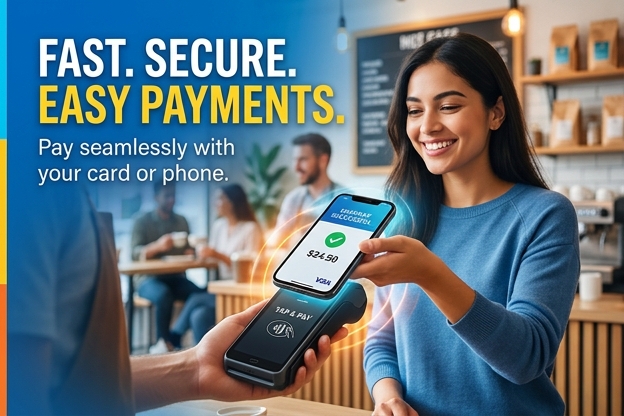
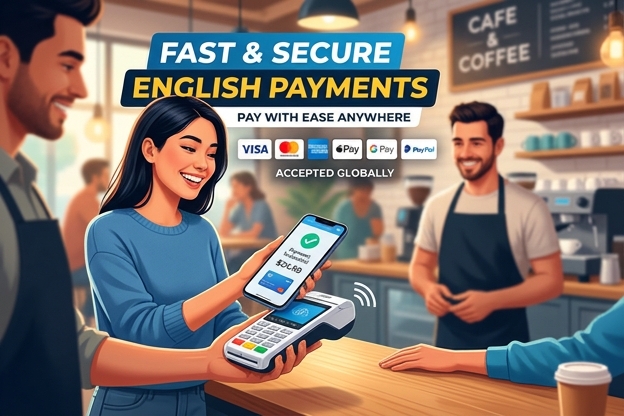
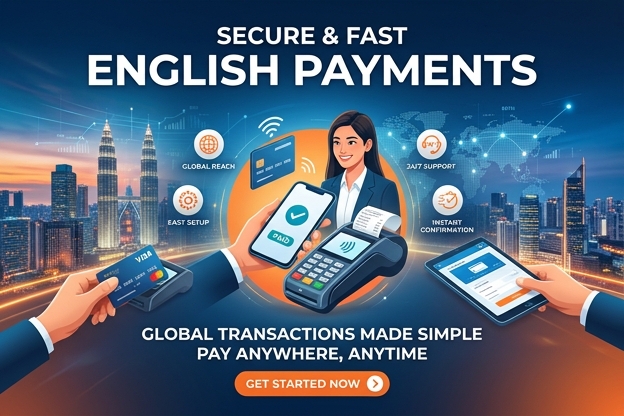
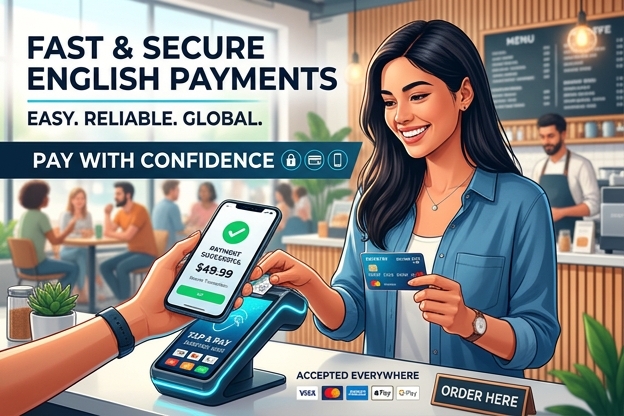
Card-linked experiences are becoming more important because they reduce friction between payment and reward. Instead of asking users to remember codes, scan apps, or navigate separate accounts, the transaction itself can trigger the value exchange. That can be especially useful in fintech, embedded payments, and omnichannel commerce.
“The future of loyalty is less about running a separate rewards club and more about making benefits feel native to the payment experience.”
A Real-World Perspective from Physical DeFi Card
I have seen brands overbuild loyalty from day one, and it nearly always slows adoption. In one advisory project tied to the Physical DeFi Card ecosystem, the original concept included multiple tiers, token-style rewards, referral bonuses, seasonal boosters, and merchant-specific incentives. On paper, it looked ambitious. In practice, users could not explain it back to us in a sentence.
We stripped the structure down to one clear promise: use the card consistently, receive visible transaction-linked rewards, and gain access to better benefits as activity grows. After simplifying the onboarding copy, shortening the path to the first reward, and making progress easier to track, engagement improved noticeably. The lesson was not that advanced mechanics are bad. The lesson was that clarity must come first.
In another Physical DeFi Card-related test, I pushed for segmenting rewards by behavior instead of giving every user the same incentive. New users received simple activation rewards. Repeat users got merchant-category boosts. Higher-value users gained access-based perks rather than deeper discounts. That approach protected margin while making the experience feel more relevant. It also helped the team identify which user cohorts were engaging for financial value and which were engaging for ecosystem utility.
These experiences reinforced something important: loyalty is not a decoration you add after product-market fit. It is part of how a product teaches customers to stay.
Common Mistakes, Risks, and Limitations
Loyalty programs are powerful, but they are not automatic growth machines. Some produce liabilities that quietly outgrow the value they create.
Over-Discounting
If every reward is monetary, your program can train customers to wait for incentives. That weakens full-price behavior and can erode brand equity. This is especially dangerous for premium brands.
Poor Unit Economics
Many teams underestimate reward liability, breakage assumptions, fraud, and the cost of operational support. A loyalty program should be modeled like a financial product, not a creative campaign.
Low Perceived Value
Customers will ignore benefits that take too long to earn, have too many exclusions, or feel interchangeable with basic promotions. Enrollment without active use is one of the most common failure patterns.
Privacy and Trust Concerns
The more data a program collects, the clearer your consent, storage, and messaging practices need to be. Customers are more willing to share data when the value exchange is obvious, but tolerance drops fast when brands appear vague or intrusive.
Operational Complexity
Support teams, finance teams, growth teams, and product teams all touch loyalty. If ownership is unclear, program quality degrades. Rules drift. Reporting breaks. Customers get mixed messages.
A quick way to pressure-test your program is to ask these questions:
- Would a customer explain the value correctly after one visit?
- Would finance approve this model after a year of scale?
- Would support be able to resolve disputes easily?
- Would the rewards still matter if competitors copied them?
What Loyalty Programs Will Look Like Next
The loyalty landscape is moving toward embedded, flexible, and identity-aware systems. Customers no longer think in channels. They expect recognition across app, web, payment, and service interactions.
From Generic Rewards to Adaptive Benefits
Programs are becoming more responsive to customer behavior in real time. Instead of one static earning model, brands are experimenting with contextual multipliers, mission-based rewards, and dynamic status triggers.
From Separate Accounts to Native Experiences
The strongest future-facing programs will be less visible as standalone systems. Rewards, access, and recognition will feel built into the product or payment flow itself. That reduces friction and keeps value attached to use.
From Transactions to Ecosystems
For payment products, fintech brands, and hybrid commerce models, loyalty is expanding beyond simple purchase rewards. It can include access to partners, cashback categories, tokenized benefits, gated communities, and usage-based privileges. This is where brands like Physical DeFi Card can create an edge by connecting spending behavior with broader utility.
What should brands do with these trends? Stay practical. New mechanics only matter if they improve retention, margin, or customer satisfaction in a measurable way.
Final Takeaways and Next Steps
Loyalty works when it is clear, economically sound, and genuinely useful to the customer. The best programs do more than hand out rewards. They shape behavior, deepen trust, and create a reason to return that competitors cannot easily copy. If your current program is underperforming, the issue is usually not the idea of loyalty itself. It is the design, the timing, the economics, or the experience.
Physical DeFi Card recommends three practical next steps:
- Map your highest-value repeat behaviors and reward those first instead of launching a broad, expensive system.
- Simplify your earning and redemption journey until a first-time customer can understand it in under 15 seconds.
- Measure member versus non-member retention and lifetime value every month so the program earns its place in your growth strategy.
References
- Bain & Company — Retention and customer lifetime value research supporting the link between loyalty and long-term profitability.
- Deloitte — 2024 consumer insights highlighting the growing importance of personalization and relevant value exchanges.
- Gartner — 2024 reporting on customer experience, first-party data, and retention investment priorities.
- PwC — Consumer findings showing experience quality remains a major factor in loyalty and repeat purchasing.
FAQ
What are loyalty programs and why do they matter?
Loyalty programs reward repeat purchases, engagement, referrals, or continued product usage. They matter because they improve retention, increase customer lifetime value, and reduce reliance on expensive acquisition channels.
Which type of loyalty program works best for most brands?
It depends on business model and customer behavior, but the most common strong fits are:
Points-based programs for frequent purchases
Tiered programs where status and exclusivity matter
Cashback or card-linked rewards for payment and fintech experiences
How do I measure whether a loyalty program is actually working?
Focus on business outcomes, not just sign-ups. Track:
Repeat purchase rate
Redemption rate
Average order value
Customer lifetime value
Retention differences between members and non-members
What are the biggest mistakes brands make with loyalty programs?
The most common problems are:
Over-complicated rules
Rewards that hurt margin
Benefits customers do not value
Poor onboarding and low visibility
Weak reporting and no clear owner internally
How can fintech brands use loyalty differently?
Fintech brands can connect rewards directly to payment behavior through cashback, merchant boosts, spend milestones, and access-based perks. That makes the reward feel native to the product instead of separate from it, which is a major advantage for platforms like Physical DeFi Card.
Is loyalty programs: The Complete Guide to Boosting Customer Retention & Revenue relevant for small businesses too?
Yes. Small businesses often benefit quickly because repeat customers can represent a large share of revenue. A simple, well-explained program with achievable rewards usually performs better than a large, complicated setup.